
Exploring the Art of Tie Dye Photo Backdrops
Intro
Tie dye isn’t just a blast from the past; it's a colorful splash of creativity that has resurfaced with fervor in both artistic and practical realms. As photography continues to evolve, the role of backdrops has become pivotal. Among the dazzling variety of materials photographers have at their disposal, tie dye stands out as a engaging choice, adding depth and character to images. This article will navigate through the visual and procedural aspects of tie dye photo backdrops, considering their historical context, modern applications, and practical tips for use in various settings.
Photography, at its core, captures a moment, a feeling, or a story. The backdrop—often overlooked—plays a crucial role in complementing that narrative. Tie dye, with its swirling patterns and vibrant hues, doesn’t just frame the subject; it injects life into the composition. This article sets the stage for a deep dive into the mechanics of tie dye backdrops, exploring not only stylistic choices but also sustainable practices in its creation.
Fashion Trends
Current Seasonal Trends
In the realm of fashion, tie dye has seen an expansive transformation, merging into the world of high fashion as well as casual wear. As we shift through the seasons, it’s prudent to observe how tie dye patterns adapt. The current trends favor softer pastels in spring and bold, contrasting colors in summer. Photographers often find that these seasonal palettes influence their backdrop choices as well. These tie dye effects can be handy in various portraits, fashion shoots, or even Instagram stories where aesthetics play a vital role.
Vibrant Colors:
- Deep blues and greens for serene settings
- Bright yellows and oranges echo summer vibes
- Muted tones like lavender or peach for spring softness
When integrating these colors into photography, think about not just contrast but also how these colors can enhance the subject. Selecting a backdrop color that resonates with the attire of the subject helps in creating a cohesive look, ensuring the photo feels harmonious and balanced.
Must-Have Wardrobe Essentials
As exciting as selecting a tie dye backdrop can be, one must not overlook the wardrobe to complement it. When styling for a shoot that features a tie dye backdrop, consider a few essentials:
- Solid Colors: Choosing solid outfits allows the backdrop to shine, preventing a clash of patterns.
- Layered Textures: Textured garments like knits or denim can add depth to the visual.
- Accessories: Scarves, hats, and jewelry can introduce extra layers without overwhelming the look.
"Fashion is about dreaming and making other people dream." This quote rings especially true when the garments harmonize with the backdrop, allowing viewers to envision a story beyond just the photograph.
Styling Tips
Outfit Coordination Techniques
Coordinating outfits with a tie dye backdrop demands an eye for detail. It’s essential to strike a balance where the model shines, yet the backdrop enchants.
- Color Matching: Pull colors from the backdrop to wear. If the design incorporates orange and teal, outfits in complementary shades can elevate the overall image.
- Silhouettes: Depending on the intricacy of the backdrop, opt for simpler silhouettes. This approach maintains focus on the model while still leveraging the dynamic nature of the tie dye.
Accessorizing for Casual Looks
Accessories can play a crucial role in tying a look together. Here are a few pointers for a laid-back vibe that complements tie dye backdrops:
- Go for Minimalism: Simple earrings or necklaces often work well and enhance without overpowering the finish.
- Footwear Choices: Sneakers or sandals can keep the look relaxed, aligning with the spirited nature of tie dye.
In summary, navigating the richly hued world of tie dye photo backdrops unveils a myriad of possibilities suitable for photographs in both casual and professional settings. By understanding current trends and effective styling methods, photographers and fashion enthusiasts alike can elevate their aesthetics significantly. It’s a refreshing exploration into how historical elements can blossom anew in contemporary artistry.
Understanding Tie Dye
Grasping the roots of tie dye offers insight into its vibrant aesthetics and versatile applications in photography. The essence of tie dye lies in its rich history and adaptability; understanding these elements helps artists and photographers alike leverage this unique style in their visuals. Tie dye, at its core, melds culture and creativity, enriching photos with dynamic backdrops that can evoke nostalgia, warmth, or even playful rebellion.
The History of Tie Dye
Origins of the Technique
The origins of tie dye can be traced back thousands of years. From ancient civilizations in Asia to those in Africa, different cultures applied these techniques to signify various beliefs and statuses. For instance, in Japan, the method known as shibori allowed artisans to create intricate designs. The method involved folding, twisting, or bunching cloth and securing it with string or rubber bands before dyeing it. This traditional approach results in stunning patterns that are a hallmark of uniquely crafted pieces, adding individual flair to each backdrop.
A significant characteristic of these origins is their reliance on manually crafted processes. This choice is beneficial because it imparts not just unique style but also authenticity to each piece, resonating deeply with those who appreciate artisanal work.
Cultural Significance Across Regions
Tie dye carries various meanings depending on the cultural lens through which it's viewed. In different regions, it serves not only as a form of expression but also as a storytelling medium. For example, in India, tie dye techniques like bandhani symbolize love and communication, often celebrated in weddings and festive occasions. The unique feature of cultural significance is how this art reflects the beliefs and lives of different communities, creating a heartfelt connection when utilized as a backdrop in photography. This cultural depth enhances the aesthetic and meaningful context of the imagery captured.
Evolution Over Time
Tie dye has evolved from its ancient roots to a modern-day fashion phenomenon, embodying the changing dynamics of artistry over centuries. As society shifts, so does the technique; it now employs synthetic dyes and blends with contemporary designs. This evolution indicates a beneficial adaptability, merging the old with the new. A noteworthy aspect is how modern styles, stemming from vintage vibes, allow individuals to express their personalities distinctly. This adaptability in transition ensures that tie dye remains relevant and widely used in various artistic forms, particularly in photography.
Techniques in Tie Dye
Traditional Methods
Delving into traditional methods reveals the intricate craftsmanship involved. Traditional techniques center around manual processes, where artisans create patterns using various folding, binding, and dyeing tactics. This hands-on approach provides an authentic charm to tie dye, making the backdrops incredibly rich in character. One of the unique features is the way these methods prioritize intention, where each fold and tie tells a story. This characteristic also brings a potential downside; the time-consuming nature of these methods can limit mass production but it solidifies the value of uniqueness in each piece.
Modern Approaches
Modern approaches boast innovations that breathe new life into tie dye, allowing for easier and quicker production. With the advent of dye injection technology and computer-assisted designs, the results can be visually arresting, featuring gradients and multi-layered effects that were tough to achieve through traditional means. The key feature includes precision that caters to the fast-paced demand of contemporary art and fashion. However, while speed is a significant advantage, it may also detract from the artisanal experience that genuinely handmade pieces convey.
Blending Techniques
Blending techniques combine various styles and methods, creating iridescent surfaces that capture the eye. Artists frequently integrate watercolor styles, spray methods, and more into classic tie dye, generating innovative backdrops for photography. This method emphasizes creativity, enabling artists to push boundaries. However, the challenge lies in maintaining the integrity of tie dye while experimenting. It opens up a space for multifaceted designs yet can also risk confusion in style, as not every blend resonates with the audience.
Understanding tie dye enriches one’s appreciation of its applications, especially in photography, where visual storytelling can come alive. As traditions coexist with modern practices, tie dye's vibrancy and significance remain as relevant today as in ages past.
Tie Dye in Photography
The inclusion of tie dye backdrops in photography is about more than just fashion or aesthetics. It’s a meeting point for creativity and expression, where the vibrant swirls of color breathe life into images. These backdrops turn a mundane space into a visual sensation, adding a sense of vibrancy and uniqueness that can mirror the personality of the subject. In an age where everyone strives to stand out, using tie dye backdrops can provide a fresh perspective, which is particularly appealing for fashion shoots, social media content, or event photography.
Visual Appeal of Tie Dye Backdrops
Color Theory and Composition
Color theory plays a pivotal role in determining how the colors complement each other within a photograph. The cheerful, swirling nature of tie dye patterns can create a kaleidoscope of emotions, establishing an energetic atmosphere that draws the viewer's eye.
When we unpack the color composition within tie dye, it’s clear that the art form gets its punch from contrasting colors and that vibrant spectrum. The juxtaposition of colors can provoke feelings, whether it’s calming pastels or energetic neons. This makes tie dye a popular choice for photographers aiming to evoke specific moods or emotions in their audience. For example, a sunset-inspired tie dye backdrop might effectively convey warmth and nostalgia.
However, while the colors can enhance the overall impact, they can also pose challenges. Too many competing colors can detract from the subject's focus if not balanced correctly. It's essential to approach color composition thoughtfully – an undermanaged palette might lead to chaotic imagery.
Creating Depth and Texture
The usage of tie dye as a backdrop can also introduce layers of depth and texture to photographs. The unique patterns of tie dye lend complexity behind the subject, often creating focal points that draw viewers deeper into the image. This play of depth stands as an essential aspect in developing engaging compositions.
One of the defining characteristics of this technique is how it interacts with light, allowing highlights and shadows to dance over the textures, which helps create a sense of three-dimensionality. The rich patterns can fortify a backdrop, making it much more than mere scenery; it becomes a narrative element of the photo itself.
Nonetheless, like any technique, it has potential downsides. Some tie dye patterns may appear quite busy, which might clash with the desired focus on the subject. A careful selection of patterns and mindful composition ease this worry.
Impact on Subject Matter
When it comes to impact, the influence of a tie dye backdrop on focal subjects cannot be understated. The vibrant motifs can inject personality into the images, making them resonate more deeply with audiences. A photographer can utilize the emotive power of tie dye to enhance the story being told. For instance, a model dressed in earth tones against a backdrop of vivid blues and greens can echo themes of balance and harmony.
This technique can also help in establishing context. A celebratory event may seem more alive with an active, orange and pink backdrop, while a soothing setting might benefit from softer blues and whites. Yet, the attractive nature of tie dye can overshadow the subject if not handled with care. It remains crucial that photographers maintain the subject's prominence amidst such lyrical colors.
Lighting Considerations
Natural vs. Artificial Lighting
Understanding how natural and artificial lighting impacts tie dye photography is crucial for achieving the desired outcomes. Natural light, such as soft sunlight during golden hour, can enhance the colors in tie dye backdrops, making them pop while maintaining their subtleties. This light often complements the organic feel of tie dye, resulting in a softer look that can evoke warmth and ease.
On the flip side, artificial lighting can manipulate colors in a way that might distort the intended artistic feel of the tie dye. Its effects can produce diverse results; for instance, bright studio lights can bring out the vibrancy of the colors, but certain nuances may be lost. Thus, it’s essential to assess your options based on what mood or tone you're aiming to capture in the photography.
Shadows and Highlights
Shadows and highlights invigorate photographs and can significantly affect how tie dye backdrops are perceived in the overall composition. The variances between light and dark enhance depth and contrast, defining shapes and adding intrigue to the images. The playfulness of shadows around those whimsical patterns can create striking visuals that draw the eye.
Nevertheless, the overemphasis on light can risk erasing important details within those mesmerizing patterns, camouflaging some of the artistry. Therefore, adjusting your lighting to maintain an appropriate balance can be the key to unlocking the full potential of the backdrop.
Best Practices for Photography
To make the most out of tie dye backdrops, it’s essential to implement best practices in your photography. A well-thought-out approach enhances creativity and delivers appealing imagery. First, consider your subject positioning. Ensuring that the subject interacts harmoniously with the backdrop is a task requiring thoughtful consideration.
In addition, experimentation with angles can breathe new life into the visuals. Play around with focal lengths and perspectives to capture various compositions beyond traditional shots. It’s important to explore how different light sources interact with colors in the tie dye in various ways — understanding this can lead to exceptional photographs.
In summary, tie dye backdrops serve as an exciting and versatile element in your photography arsenal. By embracing color theory, depth and texture, as well as being considerate of lighting and technique, you can harness their full potential. The interplay of color, light, and context enriches photographic storytelling in ways that remain visually stimulating and emotionally resonant.
Selecting Tie Dye Photo Backdrops
Choosing the right tie dye photo backdrop is a significant step for any photographer looking to elevate their work or event. The influential nature of backdrops on photography is undeniable; they can drastically change the visual narrative of an image. By taking the time to select just the right colors and materials, photographers can create elements that speak volumes about the subject and the overall vibe they wish to convey. This section will explore several critical elements involved in the selection process, focusing on colors, fabric choices, and operational aspects that will enhance your photographic endeavors.
Choosing Colors That Complement
Understanding Color Palettes
Understanding color palettes is essential in creating a cohesive look for photographs. Color palettes encompass a range of hues that work harmoniously together, contributing to an image's overall aesthetic appeal. For example, a vibrant red may complement a cool blue, allowing subjects to stand out against the backdrop. The key characteristic here is balance; colors can evoke emotion and convey messages. Often, photographers will refer to color theory to make informed decisions about which shades will enhance their subject matter. The unique feature of discussing color palettes lies in how each choice can set the mood—bright colors may convey energy and vitality, while muted tones often suggest tranquility or sophistication. However, balancing subjective preferences with established trends can be a tricky dance, as what works for one context may not suit another.
Seasonal Color Trends
Every season brings a fresh perspective on colors that may be more visually enticing or culturally relevant. For instance, spring often sees pastel colors emerging, whereas autumn might encourage the rich hues of burgundy and mustard. This awareness has significant implications for a photographer. By tapping into seasonal color trends, one can create backdrops that resonate more deeply with viewers, enhancing engagement. These trends often spark creativity, leading to striking combinations that can showcase a photographer's ability to adapt and innovate. Nonetheless, staying too rigidly aligned with seasonal trends might limit creative freedom, as they can sometimes overshadow personal style preferences.
Personal Style Considerations
Your personal style plays a vital role in creating meaningful and captivating visuals. Choosing colors that reflect your aesthetic—or the essence of your brand—elevates the artistic value of your photographs. For example, if your style tends toward minimalistic and monochromatic, opting for simpler tie dye designs may resonate better than vibrant, chaotic patterns. This is a crucial characteristic, as it ensures that your work remains consistent and instantly recognizable. Notably, aligning personal style with tie dye choices can also give a sense of authenticity across various platforms, from portfolios to social media. The downside, however, is that an overly strong focus on personal taste can sometimes alienate potential clients or viewers who might not connect with your distinct color choices.
Material Choices
Fabric Types for Durability
When considering fabric types for durability, it’s essential to factor in how well they will hold up during use. Materials like canvas or blended cotton can withstand wear and tear, making them suitable for varied photo shoots. A key characteristic of durable fabrics is their resistance to fading or tearing, a critical consideration for high-investment setups. A unique advantage of solid fabrics is often their ability to be versatile; they can beautify a variety of settings while remaining photogenic. However, sometimes durability comes at the cost of ease of handling or transport which may pose issues after multiple uses.
Considerations for Washability
It’s no surprise that the washability of a tie dye photo backdrop plays a crucial role in its longevity and maintenance. Opting for materials that withstand numerous wash cycles without losing vibrancy is pivotal. A standout characteristic is how certain dyes can react during washing, affecting color retention. For instance, organic dyes tend to be gentler and better for the environment but might require delicate handling to maintain their vivid colors. Weighing the pros and cons becomes imperative here; while the right fabric might be convenient to clean, ensuring that it still looks appealing after several washes is a significant consideration for long-term use.
Weight and Portability
When discussing weight and portability, the practicality of handling these backdrops cannot be overlooked. Lightweight materials such as muslin or polyester make transportation significantly easier for photographers who are often on the go, be it for a studio session or outdoor shoots. An important characteristic of portable fabrics is their ability to fold easily without wrinkling excessively. They can also serve varied needs, such as being hung for events or used in casual settings. The downside might involve a trade-off in material thickness, which could affect durability over time, so careful selection remains key to achieving the best balance.
Practical Applications
The realm of tie dye photo backdrops unfolds a myriad of practical applications that can elevate the quality of photography and enhance the experience at various events. Utilizing these vibrant backdrops isn't just about adding a splash of color; it's about creating an environment that resonates with the thematic essence of the photo shoot or occasion. Key elements to consider include space setup, securing the backdrop correctly, and ensuring that the scene is devoid of distractions. Understanding these factors will significantly contribute to generating high-quality visual content and memorable event experiences.
Setting Up a Photography Space
Creating a Dedicated Area
Creating a dedicated photography space for utilizing tie dye backdrops can have profound implications for the overall quality of the shoot. A dedicated area allows the photographer to control the lighting and the setting, crafting a consistent atmosphere that complements the vibrant tie dye patterns.
One key characteristic of establishing this space is the ability to manage elements such as backdrop height and distance from the camera. This flexibility can facilitate more creative compositions. A dedicated area also minimizes the likelihood of interruptions, be it from unwanted ambient noise or unplanned elements appearing in frame. However, the downside is that creating such a space may require significant investment in both time and materials, which might not be feasible for those with limited resources.
Backdrop Mounting Techniques
The way a tie dye backdrop is mounted significantly impacts its visual presentation. Various techniques exist, ranging from simple clamps to more sophisticated systems like pulley setups. Each has its perks, where clamps are easy to implement but might lead to minor wrinkles, while pulley systems offer a seamless look but might demand more time to set up.
One might highlight that using a sturdy frame aids greatly in the process. It provides a professional appearance and can be adjusted for different settings, like outdoor venues or studio environments. Nevertheless, a disadvantage could be that such setups can be bulky and require extra storage space when not in use, potentially complicating matters for photographers who prioritize convenience.
Removing Distractions from the Frame
Removing distractions from the frame is a vital aspect of ensuring that the magnificence of tie dye is the star of the photograph. This means taking a closer look at the environment where the shoots are taking place. For instance, everyday items or extraneous clutter can divert attention away from the main subject and the backdrop itself.
The essential characteristic of this practice revolves around minimalism; keeping elements in the frame simple enhances the viewer's focus on the color and texture of the tie dye backdrop. An advantage is that it fosters a clean and polished aesthetic that highlights the subjects against the vivid backdrop. However, it may require extensive preparation and a keen eye, which can represent a challenge for some photographers navigating spaces filled with visual noise.
Incorporating Tie Dye in Events
Event Themes and Decor
Incorporating tie dye into events is about aligning the vibe of the occasion with the backdrop's bold aesthetics. It adds an element of fun while also serving as an artistic statement that can resonate with guests of all ages. Tie dye can complement various themes, from summer picnics to music festivals.
A key characteristic is its versatility; one can select from an array of colors and patterns that can be coordinated with other party elements like tableware and floral decorations. This not only stitches the event together aesthetically but also leaves attendees with memorable visuals. On the flip side, the boldness of tie dye could clash with more formal events, requiring careful thought process in terms of theme alignment.
Photography Tips for Parties
When it comes to capturing moments at parties with tie dye backdrops, there are a few essential photography tips to keep in mind. First, the use of appropriate lighting can greatly influence the outcome. Natural light can enhance the backdrop's colors, while artificial light may create undesirable tones.
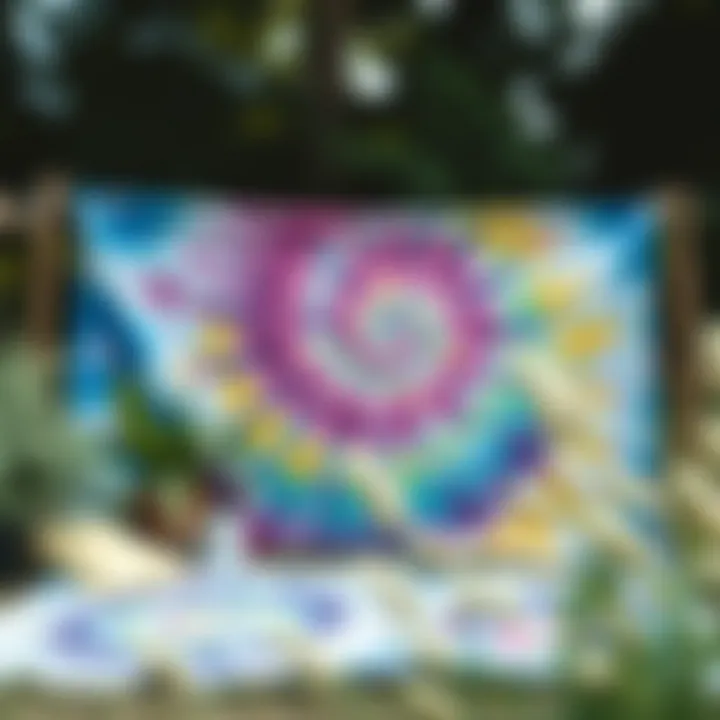
A notable characteristic here is employing contrasting colors in attire to ensure that subjects stand out against the vibrant backdrops. Furthermore, incorporating candid shots among posed ones can embody the lively spirit of the event. That said, one common pitfall is overdoing the volume of images taken; it may lead to fatigue and result in more missed opportunities for unique captures.
Enhancing Personal Style Through Backdrops
The integration of tie dye backdrops in personal photo shoots allows individuals to express their uniqueness. Each pattern and color scheme can reflect personal tastes, making a statement that goes beyond the conventional. This connection to self-expression is a key aspect in showcasing one’s identity through imagery.
The benefit of this approach is profound; it fosters creativity while providing a platform for personal storytelling. However, it can pose a challenge as overly busy designs might overshadow the subjects, necessitating careful selection to strike a balance. This allows the backdrop to enhance rather than dominate the scene, ensuring that the essence of personal style shines through.
"Tie dye isn’t just a trend; it's a form of personal expression that transcends visual aesthetics."
Sustainability Considerations
Sustainability is now more than just a buzzword; it’s a needed change in all fields, including photography. As people become more aware of the environmental impact of their choices, the demand for eco-friendly tie dye practices in photography has grown. Tie dye backdrops, while visually stunning, can contribute to wastefulness if not approached with sustainability in mind. Thus, understanding sustainable practices is essential for keeping this vibrant art form alive and reducing its carbon footprint.
Eco-Friendly Tie Dye Practices
Organic Dyes and Materials
Organic dyes are made from natural sources like plants and minerals. These dyes create stunning colors without the harmful chemicals found in synthetic options. By using materials from sustainable, organic farms, artists can contribute to a healthier planet. The beauty of organic dyes lies not only in their aesthetic quality but also in their biodegradable nature. This makes them a popular choice for tie dye enthusiasts aiming to lower their impact on the environment.
However, organic dyes can be less vibrant and may fade more quickly under certain conditions. But a conscious consumer often weighs the aesthetic outcomes against the ecological benefits, making organic dyes a realistic option for sustainable photographers.
Minimizing Waste in Production
Waste is a critical issue in the production of any item, including tie dye backdrops. It's not uncommon for dyeing processes to generate excess fabric or chemical runoff, which harms the environment. By implementing practices such as fabric recycling and smaller batch productions, artists can significantly minimize their waste.
Another practical approach is digitized patterning techniques, reducing the need for multiple dye runs. This shift to creative waste reduction offers a two-fold benefit: it helps the environment while also streamlining production efficiencies. For those in the photography world, it's a chance to emphasize that less is often more.
Sourcing Sustainable Fabrics
The fabric chosen for tie dye backdrops plays a crucial role in sustainability. Opting for sustainable fabrics made from resources like hemp or bamboo helps reduce the usage of water and chemicals involved in production. Such materials are not only more sustainable but often more durable as well.
Furthermore, products made from recycled fibers contribute to circular fashion, where textiles take on a second life instead of ending up in landfills. Sourcing fabrics that align with sustainability guidelines can also tap into a growing customer base that values ethical fashion. The challenge is often finding reliable suppliers, but the effort pays off in both quality and environmental benefits.
Long-Lasting Use of Backdrops
A sustainable approach to tie dye backdrops should also consider their longevity. Well-maintained backdrops can serve many purposes over the years, making them a practical investment.
Care and Maintenance Tips
To ensure that tie dye backdrops endure through time and use, implementing proper care and maintenance is vital. Cleaning them with natural detergents, avoiding harsh chemicals, and line drying instead of machine drying can preserve the fabric's integrity.
An understanding of care regimes helps consumers maximize the lifespan of their backdrops. It's not only good for the environment—it's also good for budgets in the long run.
Versatile Use Across Different Events
The adaptability of tie dye backdrops can't be overstated. They can fit into various themes—from summer festivals to cozy family gatherings. Their versatility makes them an asset across many events, encouraging reuse instead of single-use habits.
Users can rotate and repurpose these backdrops for different occasions, which ultimately supports a more sustainable approach to event decor. A committed photographer will appreciate the extensive potential in these pieces, knowing every snap taken against a bright backdrop is a step away from disposable culture.
Recycling and Upcycling Options
Finally, as society shifts to a circular economy, recycling and upcycling options are emerging for used tie dye backdrops. When a backdrop reaches the end of its usefulness in photography, it doesn't need to become waste. Instead, it can be transformed into other items like tote bags, clothing, or other decorative elements.
This practice supports a creative mindset and encourages sustainability among artists and consumers alike. Understanding how to repurpose these textiles can spark innovative ideas and inspire others to make sustainable choices.
Closure
In wrapping up our comprehensive exploration of tie dye photo backdrops, it's essential to underscore the myriad of ways they enrich both personal and professional photography endeavors. Given their vibrant colors and unique patterns, these backdrops serve not just as mere backgrounds but transform the visual storytelling of photographs, allowing subjects to pop and engage viewers. It’s like adding a splash of personality to a canvas—every swirl and splash narrates a story, evoking emotions, curiosity, and sometimes nostalgia.
Summary of Key Points
- Visual Impact: Tie dye backdrops significantly enhance the aesthetic appeal of images. The interplay of colors can evoke varying emotions, while the patterns add a dynamic layer that captures attention.
- Versatility: Whether for casual portraits, family gatherings, or themed events, these backdrops adapt well to different scenarios, making them a robust choice for photographers looking to add flair without clutter.
- Sustainability: As sustainability takes center stage in modern practices, incorporating eco-friendly tie dye techniques ensures that your artistic expression is aligned with responsible consumption. Using organic dyes and materials not only safeguards the environment but also resonates with an audience increasingly conscious of their choices.
Future Trends in Tie Dye
The future of tie dye in photography looks bright, with several emerging trends that signal exciting shifts in how this art form is perceived and utilized:
- Digital Integration: As technology continues to evolve, the integration of tie dye designs into digital backdrops for virtual events and photography is gaining traction. Photographers can easily replicate the look of tie dye without the logistical challenges associated with physical fabrics.
- Customization: Custom tying and dying techniques are becoming more sought after, allowing clients to have personalized backdrops that reflect their individual styles. This level of customization is often seen in weddings or special events, fostering a deeper connection between the backdrop and the subjects.
- Cross-Cultural Collaborations: With globalization, cross-cultural influences are merging different techniques and styles of tie dye, leading to fascinating hybrid patterns. Photographers are encouraged to explore these new avenues to create unique visual content that appeals to diverse audiences.
Staying abreast of these trends and understanding their implications will not only aid photographers in choosing the right tie dye backdrops but also keep them relevant in a rapidly changing visual landscape. Embracing this colorful technique opens doors to creativity, sustainability, and professionalism—a trinity that is essential as we step into the future of photography.