Fabric Storage Bins with Zippers: Style and Function

Intro
In today’s organized world, the need for effective storage solutions is paramount. Among the various options available, fabric storage bins with zippers have carved out a niche for themselves. They combine the practicality of storage with an aesthetic appeal that can enhance any room's ambiance. This article delves into the many dimensions of these versatile bins, exploring their materials, designs, functionality, and role in home décor. Whether you live in a compact apartment or a spacious family home, finding the right fabric storage bin can change your organizational game while complementing your style.
Recognizing the significance of aesthetics in functionality, we'll probe deeper into the evolving fashion trends in fabric storage solutions. They are not merely utilitarian but also represent a stylish choice in creating organized environments. So buckle up as we embark on this exploration of how zippers and fabric blend to offer more than just storage; they provide an elegant solution to clutter.
Fashion Trends
Current Seasonal Trends
When it comes to home organization, trends often mirror the fashion world; bold colors and patterns are now taking the front seat. Fabric bins with zippers are no longer just bland, unadorned boxes. Think floral prints for spring, deep earthy tones for fall, and vibrant neons making waves for summer. These seasonal choices can elevate a space while providing functional benefits. Popular designs such as geometric patterns or minimalist abstracts resonate well with modern concepts, making a bold statement while ensuring neatness behind closed zippers.
Must-Have Storage Essentials
Beyond aesthetics, certain features have emerged as essential in current trends.
- Eco-friendly materials: Consumers are increasingly leaning towards sustainable options like organic cotton or recycled materials.
- Innovative sizes: The market now features a variety of sizes accommodating everything from toys to oversized blankets, allowing for greater versatility in usage.
- Multi-functional designs: Some bins double as decorative pieces or furniture, such as ottomans, marrying utility and charm in one tidy package.
"Choosing storage solutions that reflect personal taste while fulfilling practical needs creates spaces that are both functional and delightful."
Styling Tips
Outfit Coordination Techniques
In the context of home and storage, 'outfit' can refer to how your storage selections align with the overall style of your living space. To achieve a polished look, consider how the colors and patterns of your fabric storage bins pair with room aesthetics.
Several strategies can enhance this coordination:
- Color blocking: Use contrasting colors for bins to draw attention.
- Match with decor: Choose bins that reflect your wall colors or furniture finishes.
- Layered textures: Combine bins in different fabrics or finishes to create a rich visual profile.
Accessorizing for Casual Looks
Accessorizing your storage space can also be a part of styling. Think of how decorative elements can complement the functionality of the bins. Adding labels can give a more organized vibe while providing quick access to what you need. Throw in some lovely throw pillows or blankets atop your storage bins, making them part of the living area’s aesthetic instead of mere utilitarian objects.
As we explore these topics further, it's vital to ensure that your choice of fabric storage bins blends not only into your living space but also into your lifestyle, resonating with your needs and preferences.
Understanding Fabric Storage Bins
When it comes to maintaining a tidy living space, fabric storage bins with zippers bring a unique blend of practicality and aesthetics to the table. These storage solutions not only help to keep your belongings organized but they also enhance the decor of your surroundings. Recognizing the foundational role that these bins play can significantly impact how one approaches organization in their home or office environment.
Fabric bins can come in various shapes and sizes, tailored to accommodate different items—from clothes, toys, to office supplies. Their versatility makes them indispensable, especially in today’s fast-paced world where clutter can accumulate faster than an uninvited guest at a party.
Definition and Purpose
Fabric storage bins with zippers are containers made primarily from textile materials, designed to store and conceal items securely. The inclusion of a zipper closure adds an extra layer of protection, keeping the contents safe from dust and curious pets. The purpose is straightforward yet vital: to maintain order while lending a hand to decor. They serve as a bridge between functionality and aesthetics in home organization.
Their utility extends beyond mere storage. These bins can also be employed to express personal style. For instance, opting for vibrant floral patterns or sleek monochromatic designs can echo an individual's taste. Plus, with their ease of use and sleek designs, they make it simple to tidy up in a pinch. Who wouldn't appreciate that blend of form and function?
History of Fabric Storage Solutions
The evolution of fabric storage solutions can be traced back centuries, rooted in the need for organization and portability. Historically, communities utilized woven baskets made from natural fibers to store goods, showing us that the desire for neatness isn't just a modern phenomenon. As societies progressed, textiles evolved, leading to the modern fabric bins we see today.
In the late 20th century, as home decor began to gain prominence alongside functionality, manufacturers started experimenting with various fabrics, sizes, and designs. This period marked a significant shift in how we perceived storage—it needed to be both decorative and functional. Fast-forward to today, and fabric storage bins have become a staple in homes worldwide, synonymous with stylish organization.
As our lifestyles continue to evolve, so too will these bins, adapting to new design trends and consumer needs. The journey from traditional baskets to versatile fabric bins is a testament to the balance between necessity and creativity. Through understanding this history, we can appreciate not just the item itself, but the cultural significance it holds in our lives.
Material Considerations for Fabric Bins
Selecting the right material for fabric storage bins is not just about aesthetics; it's about functionality, durability, and practicality. As these bins play an essential role in helping organize our personal spaces, understanding the various fabric options available can significantly impact their usefulness and longevity.
Types of Fabrics Commonly Used
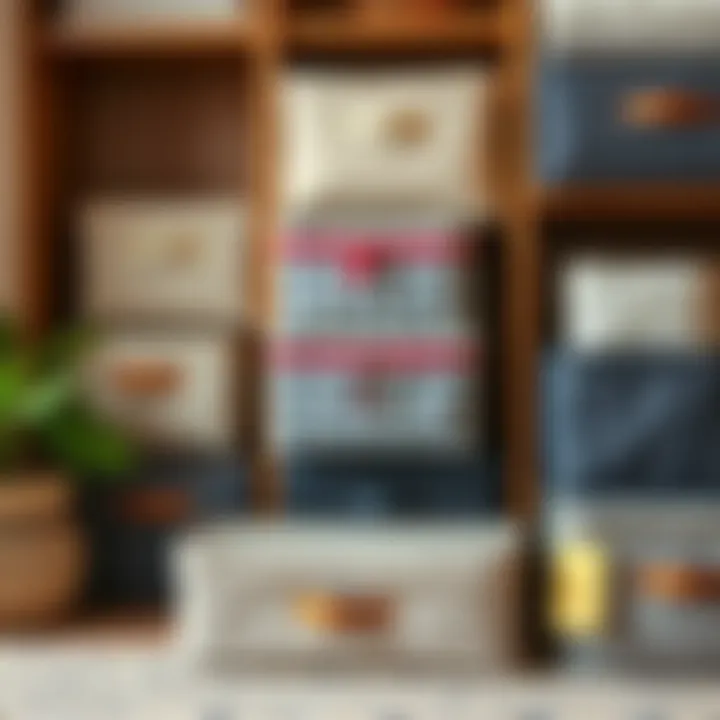
Fabric storage bins are made from a diverse array of materials, each offering unique characteristics. Here are several commonly used fabrics, along with their benefits:
- Cotton Canvas: This fabric is known for its sturdiness and breathability. Cotton canvas bins withstand everyday wear and tear, making them ideal for storing clothes, toys, and other lightweight items. Its versatile look often fits into various interior styles, from modern to rustic.
- Polyester: A synthetic option, polyester is lighter than cotton but just as functional. It's often water-resistant, providing an extra layer of protection for the contents stored within. Additionally, polyester often comes in vibrant colors or patterns, allowing for more customization in home decor.
- Linen: This natural fiber has a distinct texture and elegance. Linen bins are typically softer, making them a favorite for decorative purposes. However, this fabric is often more prone to creasing, so they may require careful handling.
- Jute: Renowned for its eco-friendly properties, jute is biodegradable and often used to manufacture chic and rustic storage solutions. These bins are not just great for the environment; they add a natural touch to any decor.
- Felt: Soft and durable, felt bins come in many colors and designs. Its tactile nature often appeals to younger demographics, making them popular in children's rooms for versatile storage. Felt is also excellent for sound absorption, adding an additional benefit to its aesthetic qualities.
Understanding these fabric types can help consumers make educated decisions that suit their needs while remaining stylish.
Sustainability in Fabric Choices
The increasing awareness of environmental impact has transformed how consumers consider materials for their fabric storage bins. Selecting sustainable fabrics can reduce your carbon footprint and encourage mindful consumption.
- Organic Cotton: This cotton is grown without harmful pesticides and fertilizers, making it a more eco-friendly choice. Utilizing organic cotton helps support sustainable farming practices, which are vital for the planet.
- Recycled Materials: Many brands are now producing storage bins made from recycled fabrics, like polyester sourced from plastic bottles. This approach not only aids in waste reduction but also allows for stylish yet environmentally-responsible storage solutions.
- Natural Fibers: Materials like hemp, ramie, or organic linen are often cultivated with fewer chemicals and are biodegradable, making them a better option for consumers looking to minimize their ecological impact.
"Choosing the right material is as vital as the shape and style of the storage bin, serving both practicality and an eco-conscious approach."
Considering sustainability alongside style can lead to a more thoughtful approach to organizing your environment. In choosing fabrics, it's essential to look for certified products that comply with environmental standards, often indicated by labels or certifications.
Design Variations in Storage Bins
When it comes to fabric storage bins with zippers, design is not just about aesthetics; it holds significant weight in functionality, user experience, and overall appeal. This section delves into the various design variations that enhance both practical functionality and visual allure—elements that are key when trying to harmonize your storage solutions with your home decor. Understanding these variations may lead to better organization and can turn often-overlooked storage bins into focal points of a room.
Sizes and Shapes
Size and shape are crucial when selecting a fabric storage bin. Not all bins will fit seamlessly into every space, and measurement is half the battle. Think about the space you have available. Are you working with a tight corner, or perhaps an open shelf that can accommodate larger items? A bin that’s too large can dominate a small space, cluttering rather than organizing. Conversely, a bin that’s too small may offer limited utility and lead to frustration.
- Popular Sizes:
- Small bins (12" x 12" or similar) are perfect for toys or craft supplies, easily tucked into a nook or cubbyhole.
- Medium bins (14" x 14" or larger) often serve as a catch-all in living rooms or bedrooms.
- Large bins (over 16") are usually used for clothes, blankets, or other bulk items, ideal for closets or under-beds.
When it comes to shapes, square or rectangular bins are often versatile and stackable, making them easy to fit into different spaces. Round bins can also add a unique flair, especially in eclectic decor. Different shapes cater to various needs—think about what you’ll be storing and how easily you need access to those items.
Color and Pattern Choices
Color and pattern play a pivotal role in how fabric storage bins integrate into your home. A vibrant bin can become a statement piece in a dull room or can complement softer colors to create a cohesive look. The key is matching the bin's aesthetic charm with your existing decor.
A bin with lively patterns can inject personality into an otherwise mundane area. Patterns, whether floral, geometric, or abstract, give you immense opportunities to express your style. Additionally, texture can add another layer, such as bins made from woven fabric versus those made of smooth cotton. Choose something that resonates with your taste:
- Neutral Colors like beige or gray are ideal for minimalists aiming for a clean look.
- Bold Colors such as red or blue can energize a space and attract attention.
- Patterns:
- Floral designs work well in rustic or vintage settings.
- Geometric patterns may suit modern or contemporary homes.
- Textured fabrics can enhance tactile appeal, fostering a warm, inviting atmosphere.
Remember: The right storage solutions can beautify your space, making it not only tidy but visually engaging as well.
Functional Advantages of Zippered Storage Bins
Fabric storage bins equipped with zippers present a modern solution that marries practicality with style—and this dynamic duo offers several functional advantages. For anyone striving to create an organized living space, understanding these benefits can turn a simple storage solution into a game changer.
Enhanced Organization
One of the primary benefits of zippered storage bins is their remarkable ability to enhance organization. With their secure closures, these bins encourage users to maintain neatness.
- Neatly Pack Away: Many fabrics bins have ample space and flexibility. Whether storing seasonal clothing or miscellaneous items, they keep everything in its place. The zipper enclosure means your belongings are protected from falling out, which is particularly helpful in a busy household.
- Labeling: You can easily label each bin to quickly identify contents without rummaging through. This practice streamlines the process tremendously. For instance, using a simple label maker can transform the look of your bins and make locating items a breeze.
- Accessible Storage: Due to their variety of shapes and sizes, these bins can slide under beds or neatly align on shelves. This versatility allows for effective use of vertical space, transforming overlooked areas into functional storage solutions.
Taking the time to sift through items and sort them into different bins can foster a sense of control over one’s surroundings. As the saying goes, "A cluttered space often leads to a cluttered mind." By investing in zippered storage bins, you are not just making a purchase, but committing to a more organized lifestyle.
Protection from Dust and Damage
Zippered fabric storage bins serve an important role in protecting items from dust and damage. Unlike open baskets or bins, the enclosed nature of zippered bins provides a barrier that keeps unwanted elements at bay.
- Dust-Free: Dust accumulation can be a real headache, especially for those who are particular about cleanliness. The zippers seal the contents away from dust, making them ideal for storing clothes, linens, or even children’s toys. There's nothing like knowing that your items are clean and fresh for your next use.
- Damage Prevention: Beyond dust, the protection zippered bins offer extends to damage caused by pests or even unintentional spills. For example, a mishap where a bottle leaks during transport can lead to a disaster for clothes stored in an open bin. Zippers act as a safeguard, allowing your items to stay intact.
- Weather Protection: Depending on the material used, many zippered storage bins also offer some degree of weather protection. This quality is particularly noteworthy for those who might be storing their bins in areas prone to humidity or moisture.
"The security and protection offered by these bins not only safeguards belongings but also extends their lifespan, allowing you to make wise investments in your home storage solutions."
Choosing the Right Fabric Storage Bin
Selecting the appropriate fabric storage bin goes beyond just picking something that looks nice. It involves understanding the unique needs of your space, how the bin fits into your overall aesthetic, and whether it serves practical purposes effectively. The right bin can transform clutter into order, enhance your room’s design, and even contribute to a more functional living space.
Assessing Space and Needs
Before diving into the myriad options available, it’s crucial to assess your available space and your specific storage needs. Start by taking measurements of the areas you plan to utilize. Here are some key factors to consider:
- Dimensions of the Area: Knowing how much room you have allows you to choose bins that fit snugly without overwhelming the space.
- Items to Store: Think about what you want to keep in these bins. Are you storing seasonal clothes, books, children's toys, or even craft supplies? Different items warrant different sizes and styles.
- Accessibility: If you need frequent access to your items, you may prefer open-top bins or those that can easily slide under furniture.
- Flexibility of Use: Consider bins with zippers that can be secured when closed, keeping dust and moisture out. They’re particularly useful for storage in less frequently accessed areas, like attics or basements.
Organizing your storage bins based on your needs not only maximizes the efficiency of your space but also minimizes stress when looking for specific items. When bins are chosen according to their functionality, the chances of messy, chaotic spaces reduce significantly.
Balancing Style and Functionality
Once you have a firm grasp on your space and needs, the next step is finding a balance between aesthetics and practicality. Fabric storage bins come in various designs, fabrics, and colors. Your choices should reflect both your personal style and the character of your living environment. Here are some pointers:
- Materials Matter: Opt for materials that offer a blend of durability and elegance. Natural fabrics like cotton or linen can add a cozy, inviting feel whereas synthetic fabrics might provide more resilience and ease of cleaning.
- Color and Pattern: Harmonizing the colors of your bins with your existing décor can make a significant impact. If your space features bold patterns, a neutral-toned bin might provide a pleasant contrast, while vibrant patterns can bring some energy to a sleek and minimalistic room.
- Design Trends: Keep in eye on the current design trends. For example, natural and earthy tones are making a comeback, which can be a good fit for creating a calming atmosphere.
- Consider Versatile Designs: Look for bins that maintain aesthetic value while being functional. Bins with stylish covers, or those that can double as decorative items, can enhance your room’s look while efficiently serving their purpose.
"A storage bin should not just be a container, but an infused element of design that reflects the personality of the space."
To wrap it up, the relationship between aesthetics and functionality in storage is vital. The right fabric storage bin helps manage chaos while adding visual appeal to a space. By understanding your space and balancing these two important aspects, you can seamlessly incorporate these bins into your living area.
Care and Maintenance Tips
Maintaining your fabric storage bins is crucial for longevity and aesthetic appeal. Just like any part of your home, these bins demand a little TLC to make sure they stay in good shape. Regular care can not only prolong the life of the storage bins but also keep your space looking neat and organized.
Cleaning Techniques
Cleaning your fabric storage bins might seem like a trivial task, but it plays a significant role in preserving their appearance and functionality. Here are some effective methods to consider:
- Spot Cleaning: For minor stains, a damp cloth with a mild detergent usually does the trick. Gently dab the area; scrubbing can push the stain further in.
- Machine Washing: If the fabric is machine washable, check the care label first. Remove any contents and zip them up. Use a gentle cycle with cold water and air dry afterwards to avoid shrinkage.
- Vacuuming: For dust and crumbs that sneak in, using a handheld vacuum can get into those tricky corners, keeping your bins pristine without damaging the fabric.
"Regular cleaning extends the life of your storage solutions and keeps them looking as fresh as a daisy."
Storage Considerations When Not in Use
When the bins are not in use, proper storage is key to maintaining their shape and overall condition. Here are some tips:
- Empty and Clean: Always empty the bins before storing. This prevents any residual odors or dirt from setting in.
- Flatten Them: If possible, flatten your bins to save space and maintain their structure. This also avoids creases that can mar their appearance.
- Storage Environment: Keep your bins in a dry place. Moisture can cause mold or mildew, especially on fabric. A cool, dry closet works wonders.
- Avoid Stacking Heavy Items: If you’re placing items on top of the bins, make sure they’re not overly heavy. This can warp the fabric and damage the zippers.
Caring for your fabric storage bins is not just a chore; it's an investment in your home’s organization and aesthetics. This simple approach ensures your bins continue to serve their purpose effectively while enhancing your living space.
Innovative Uses for Fabric Storage Bins
When it comes to multifunctional home organization, fabric storage bins with zippers offer a wealth of innovative applications. They are not merely a means to tidy up, but also a stylish accent piece that speaks to the modern ethos of efficiency married with aesthetic elegance. In this section, we will delve into creative uses of these bins, illustrating how they can transcend traditional storage methods, providing both practicality and charm in any space.
Creative Storage Solutions Beyond Clothing
Fabric storage bins are traditionally associated with storing clothing, but their versatility extends far beyond that singular function. They are perfect for organizing a myriad of items:
- Toys and Games: For families, these bins can be a lifesaver. No more stepping on Lego bricks! Fabric bins provide a safe place for toys while keeping them accessible for kids.
- Craft Supplies: For the artsy individual, using these bins to store yarn, paint, or scrapbooking materials is a great way to keep supplies organized and ready for your next creative project.
- Seasonal Decorations: Instead of leaving holiday decorations scattered across the house, use storage bins to neatly package them away, making the seasonal decor transition smooth and visually appealing.
- Pet Supplies: Whether it’s dog toys or cat litter supplies, these bins provide an organized solution that keeps pet items contained yet stylishly displayed.
Utilizing fabric bins in these varied applications not only keeps spaces tidy but also enhances accessibility. You'll find what you need right away instead of rummaging through drawers or boxes. If all that isn’t enough to convince you, consider the flexibility they offer—when you no longer need them for one purpose, you can easily repurpose them for another.
Decorative Uses in Home Interiors
Fabric storage bins are not just about functionality; they allow home decorators to fuse style with storage. Their presence can transform a room's vibe in several ways:
- Color Coordination: Match bins to your room’s color scheme to create visual harmony. Bright hues can energize a dull space, while neutral tones can introduce a calming effect.
- Textured Elements: Different fabrics can offer a range of textures that contribute to the overall tactile experience of a room. Felt bins in a playroom, for example, provide a soft contrast to hard surfaces like wood or tile.
- Artistic Displays: Don’t hide fabric bins away. Instead, let them take center stage on shelves or under tables. Choose unique patterns that reflect personal style, turning functional storage into an artistic statement.
- Layering with Other Accessories: Combining fabric bins with books, plants, or decorative trays can create an engaging visual narrative. They can act as the punctuation in your room’s story, adding depth and interest.
In many cases, these bins become part of the decor rather than just another item to stow away. Their presence can evoke a certain warmth—a familiarity that makes a house feel like a home.


"A well-organized home is a well-lived home, and the right storage solutions can make all the difference in crafting the perfect environment."
Comparing Fabric Storage Bins to Other Storage Options
When it comes to organizing your living space, the choices can be overwhelming. Among them, fabric storage bins with zippers have carved out a niche thanks to their blend of practicality and aesthetic appeal. This section digs into why comparing fabric bins with other alternatives—like plastic storage options—is crucial for making informed decisions that best fit your needs. It's not just about what looks good; it's about finding the perfect harmony between function and form.
Plastic vs. Fabric: A Comparative Analysis
On the surface, plastic and fabric seem to represent opposite ends of the storage spectrum. Plastic bins are often touted for their durability and resilience against spills and stains. They can be easily wiped clean and are generally robust, making them suitable for more rugged environments. However, they lack the aesthetic charm that fabric bins bring to a room.
Key Differences
- Functionality: Plastic bins stack easily, maximizing storage space but often sacrificing ease of access. Fabric bins, supported by their zipper closures, allow for easy access but can cave under heavy loads.
- Design Variety: Aside from their inherent utilitarian nature, plastic bins often come in a limited range of colors and designs. Fabric bins, on the other hand, can be found in an array of fabrics, prints, and finishes, allowing a homeowner to add flair to their décor.
- Environmental Impact: Fabric bins, particularly those made from sustainable materials, tend to score higher in eco-friendliness compared to their plastic counterparts, which have been criticized for their environmental footprint.
Plastic may do a great job in a garage or attic, but fabric bins bring the warmth needed in a living space, making the whole room more inviting.
Cost Effectiveness Over Time
Cost effectiveness isn't just about the initial purchase price but also encompasses durability and maintenance costs over time. While plastic bins might be cheaper upfront, their long-term value can plummet due to wear and tear, especially if they're frequently exposed to UV light, which can cause them to become brittle and crack.
Fabric bins, meanwhile, may require a slightly larger investment initially, but they can offer a longer lifespan and lower maintenance costs, particularly if they are made from machine-washable materials. Furthermore, if you place a premium on aesthetics, fabric bins can enhance the look of a space, which can potentially increase the value of your home.
Overall, when considering the total cost of ownership, fabric storage bins can present a more cost-effective option when factoring in longevity and versatility.
"The beauty of fabric bins lies not just in their versatility but also in how they integrate seamlessly into the aesthetics of any room."
In summary, while plastic bins might excel in certain areas, fabric storage bins with zippers provide a compelling argument for their adoption in spaces where style and function are equally prioritized. Updating your storage solutions to include these fabric options can not only streamline your organization efforts but can also paint a more inviting picture within your home.
Consumer Trends and Fabric Storage Bins
The world of fabric storage bins has evolved significantly, driven by the shifting demands of consumers who seek both practicality and aesthetics in their storage solutions. With homes becoming multi-functional spaces, the importance of effectively managing clutter while maintaining a stylish environment has grown immensely. Understanding these trends equips us to better appreciate not only the functionality but also the design ethos behind fabric storage bins with zippers.
One prominent trend is the increasing demand for customized storage solutions. Today's consumers aren't interested in one-size-fits-all products. Instead, they seek tailored solutions that fit their specific environments. From different dimensions that cater to various shelf heights to designs that suit personal tastes, fabric storage bins can be found to fit almost any nook and personality.
Market Insights on Fabric Storage Products
Market research indicates that the fabric storage bin sector is growing steadily. With the rise in home organization shows and minimalist lifestyle trends, consumers are more inclined to invest in storage options that do not compromise on aesthetics.
When it comes to understanding what consumers want, style and functionality are paramount. Statistics reveal that over 60% of shoppers prioritize design alongside practicality when selecting storage solutions. This preference underscores the necessity for manufacturers to innovate in terms of colors, patterns, and textures that resonate with contemporary aesthetics.
Moreover, the integration of zippers in fabric bins not only enhances usability by providing easy access but also significantly contributes to a polished look. Therefore, it’s not surprising that consumers often gravitate toward products that promise both ease-of-use and visual appeal.
Engagement with Sustainable Practices
As the global conversation around sustainability intensifies, consumers are increasingly mindful of their purchases, particularly when it comes to storage solutions. There exists a notable trend towards sustainable fabric storage bins, as consumers seek products made from eco-friendly materials.
The drive for eco-consciousness has birthed several brands that utilize recycled textiles and non-toxic dyes. This push is more than just a fleeting trend; it's a revolution in consumer values. Shoppers are opting for bins that not only optimize their organizational needs but also align with their commitment to the environment.
In this landscape, companies that engage in sustainable practices foster greater consumer loyalty. This is especially true among young professionals and fashion enthusiasts who provide value to brands that reflect their ideals. Brands’ transparency about sourcing and environmental impact resonates strongly and can be a deciding factor in purchasing choices.
"The way we store our items reflects the way we value our space. It's no longer just about holding stuff; it's about holding onto style and sustainability."
For further reading on consumer behavior concerning sustainable products, visit Harvard Business Review and explore their insights on evolving purchasing patterns.
End of Fabric Storage Bins
In summary, fabric storage bins with zippers offer an intriguing blend of organization and aesthetics, making them indispensable in contemporary home environments. Whether you're a fashion enthusiast looking to maintain a chic appearance or a young professional seeking efficient solutions to manage clutter, these bins cater to diverse needs without compromising on style.
Benefits of Choosing Fabric Storage Bins
- Versatility: These bins can serve various purposes, from storing seasonal clothing to organizing children's toys or handling office supplies. They fit effortlessly in various spaces, be it a small apartment or a sprawling house.
- Protection: The zippered closures provide an additional layer of security. They help shield items from dust, moisture, and damage, extending the life of whatever you store, be it precious fabrics or important documents.
- Aesthetic Appeal: Fabric bins come in a myriad of colors, styles, and patterns, allowing you to express your personal taste. By integrating these stylish elements into your decor, you can enhance the overall ambience of your space.
Considerations for Optimal Use
While the benefits are clear, a few considerations can ensure that fabric storage bins truly meet your needs:
- Select the Right Size: Measure your available space before making your purchase to ensure the bins fit well and serve their intended purpose. A too-small bin won't hold enough, while an oversized one might become a hassle.
- Quality of Material: Consider the type of fabric and zippers used. Opting for durable materials can save you from frequent replacements and frustration down the line.
- Easy Maintenance: Check if the fabric is easy to clean and maintain. The last thing anyone wants is a stylish bin that becomes a dust magnet or a chore to clean.
Fabric storage bins with zippers are more than just a stylish accessory; they are practical solutions for keeping your space organized and appealing. They marry functionality and aesthetics in a way that resonates with modern lifestyle demands. Ultimately, embracing these bins can transform your home, lending a tidy, curated appearance that boosts both efficiency and visual charm.