Timeless Accessories from the 1920s: Style Meets Function
Intro
The roaring twenties marked a period of significant change in society and culture, where fashion evolved into a powerful form of personal expression. Accessories from the 1920s danced at the intersection of function and flair, offering a glimpse into the lives and attitudes of a generation that embraced modernity and rebellion against tradition. This article navigates through the essential elements of the 1920 accessories set, showcasing not only their beauty but also the stories they tell about the era.
As we traverse through hats, gloves, jewelry, and handbags from this period, it becomes clear that each accessory carried meaning beyond mere aesthetics. These objects reflected the shifting social landscape, highlighting women’s newfound autonomy and the playful spirit of flappers. Through examining these accessories, we uncover enduring styles that resonate even today, proving that what was once quintessentially 1920s is still relevant in the wardrobes of contemporary fashion enthusiasts.
In this exploration, we will not only reflect on trends of yesteryear but also consider how these vintage pieces can be woven into today’s casual attire, creating a timeless blend of style and functionality.
Prologue to the Accessories Set
The 1920 accessories set is not just a collection of fashion items; it represents a significant era of transformation in style and cultural ethos. To understand the period more thoroughly, one must consider how these accessories encapsulated the spirit of the times, reflecting both societal functions and deep-rooted aspirations.
Accessories like hats, jewelry, gloves, and bags were more than mere fashion statements; they symbolized progress, independence, and a break from traditional constraints. Women adorned themselves with elaborate jewelry and elegant gloves, signaling their newfound freedom and social mobility, while men donned sharp hats that spoke to their ambition and style.
Historical Context of the 1920s
The 1920s, often referred to as the "Roaring Twenties," was an age of exuberance and excess. The end of World War I brought about a collective sigh of relief and reinvigoration. The economy boomed, and people in both urban and rural settings began to embrace a more liberated lifestyle. Jazz music filled the air, art deco emerged in architecture, and a sense of modernity permeated every corner of society.
Fashion played its part too. The new styles represented a break from the restrictive garments of previous decades. Liberation in attire mirrored the social movements, especially women advocating for rights, including suffrage. This context set the stage for a flourishing accessories market, where every item told a story of change.
Cultural Shifts and Fashion
As the decade progressed, cultural shifts significantly influenced fashion. The rise of cinema and celebrity culture brought iconoclasts like flappers, who popularized a boyish silhouette that contrasted sharply with Victorian norms. Crowds flocked to cinemas to see these stars, and their styles soon permeated mainstream culture.
Hats, for instance, became a must-have accessory, with the cloche style sweeping across the female populace, hugging the head and emphasizing the face. Similarly, long strands of pearls and ornate brooches became essential for any woman daring to claim her space in social circles. Men, too, embraced elegance, choosing felt fedoras and other stylish headgear that modulated their appearance and status.
In this vibrant tableau, the 1920 accessories set stands as a testament to the innovative zeal of the era. Each piece was not merely chosen for its aesthetic appeal but was also deeply intertwined with the social changes happening at the time. The accessories of the 1920s serve as cultural artifacts, providing insight into the hopes, dreams, and challenges faced by individuals in a society in flux.
"For people in the 1920s, accessories were more than just embellishments; they were declarations of personal identity and societal position."
As we delve deeper into the specific components of this accessories set, it will become evident how these items encapsulated both function and fashion, capturing the zeitgeist of one of history’s most dynamic decades.
Key Components of the Accessories Set
The 1920 Accessories Set encapsulates the essence of an era marked by transformation and bold expression. In dissecting these components, it's crucial to understand not just their physical aspects, but also the cultural undertones they convey. The accessories of the 1920s—hats, gloves, jewelry, and bags—are not mere add-ons; they are integral parts of a lifestyle that embraced innovation and personal flair.
Hats: The Crown of the Era
Styles of the Decade
The chapeaux of the 1920s were not just items for shielding from the sun or keeping warm; rather, they were statements of individuality and social status. Flapper girls, for instance, often sported cloche hats, which hugged the head and had a soft, rounded shape, symbolizing a new kind of femininity resistant to the confines of past norms. The notable characteristic of these styles is how they melded functionality with fashion, making them a popularity choice for the fashionable modern woman.
Among the standout features of the decade's hats, the artful decoration—think ribbons, feathers, and even intricate beading—added unique flair. This trend provided a fascinating avenue for self-expression, although one might argue the rapid pace of change left some people struggling to keep up.
Materials Used
When exploring the materials that fashioned these iconic hats, an eclectic mix emerges. Wool, felt, and straw were among the most used fabrics, oftentimes layered for depth and textured appeal. The key quality of these materials lies in their adaptability; they could transition seamlessly from day to night wear. The blend of texture added charm to the otherwise simple styles, marking them as beneficial components of the accessories set.
Yet, these materials came with caveats. For instance, while felt provided warmth, it wasn't particularly breathable, potentially uncomfortable on warm summer days.
Symbolism in Society
Hats in the 1920s epitomized social status and the drastic shifts in gender roles. Women donning bold hats were claiming both public and private space, marking a departure from traditional feminine ideals. The striking characteristic of this symbolism is its dual nature, serving both as an identifier of status and a proclamation of independence, reflecting the zeitgeist of the roaring twenties.
What’s fascinating is how a simple accessory could convey such depth. While some small-town areas might view these hats as extravagant, they were commonly seen in metropolitan areas as a necessary fashion statement, holding value beyond mere aesthetics.
Jewelry: Elegance Defined
Popular Jewelry Styles
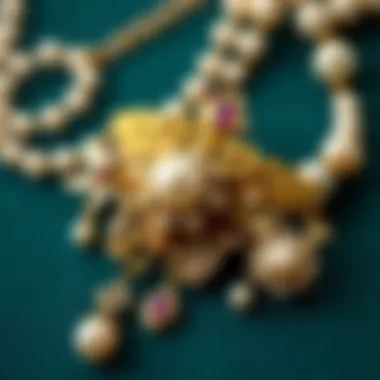
As the decade progressed, jewelry evolved from tangible tokens of status into art pieces that adorned body and spirit alike. Dainty chains, layered necklaces, and lacy brooches spoke volumes about personal style. The hallmark characteristic of the jewelry of this era is its layered richness, often blending pearls, diamonds, and colored stones. This variety not only represents wealth but also conveys the elegant sophistication that defines the 1920s.
The unique feature of these popular styles, like long strands of pearls, offered versatility. They could be worn casually or as part of a more formal ensemble. However, some might say that the abundance of layers could feel oppressive for those who preferred a minimalist aesthetic.
Significance of Beaded Designs
Beaded designs were particularly significant, often used in everything from handbags to dresses. These intricate adornments added texture and dimension, which captured the essence of jazz age flamboyance. The key highlight of these designs is how they transformed ordinary items into exceptional statements.
Each bead seemed to tell a story, providing an intangible allure to the holders. One downside, of course, is the labor-intensive nature of creating such items, making them a luxury rather than an everyday staple, limiting access only to certain societal classes.
Influence of Art Deco
Art Deco emerged as a significant influence in the design of jewelry during this era. With geometric shapes, vibrant colors, and symmetrical lines, this style was inherently modern. The key characteristic of Art Deco jewelry was its boldness and innovation, deviating from more traditional approaches.
This influence offered a fresh, dynamic aesthetic that mirrored the societal changes of the time. However, this shift also led to some resistance from more conservative fashion circles who favored older, more ornate styles, creating a fashion tug-of-war.
Gloves: A Fashion Staple
Types of Gloves
The typology of gloves during the 1920s is impressive and diverse. From wrist-length to elbow-length styles, gloves had become essential afterthoughts in an ensemble. The key characteristic here was the versatility—they became expressions of personal style as much as they served practical purposes.
One notable feature of these types was the materials used in various designs, from soft kid leather to satin. While satin gloves could add elegance, they didn’t fare well in colder climates, prompting some inconvenience for the wearer, especially in winter.
Fashion Etiquette
In the realm of 1920s fashion etiquette, gloves held a special place. One wasn't considered fully dressed without them, marking social status. The key aspect of this etiquette was the significance of wearing gloves per occasion; for example, when dining out, it was deemed improper to appear bare-handed.
Gloves weren’t just functional; they were symbols of refined manners, although the pressure to conform could feel stifling at times for individuals wanting personal expression beyond societal norms.
Practical Uses
Though primarily viewed as fashion accessories, gloves offered practical uses as well, such as protecting hands from the elements. The characteristic utility of gloves made them a beneficial addition to everyday wear, providing both warmth and style. However, in practical scenarios, some might find the bulk of wrist-length gloves cumbersome, limiting functionality when engaging in daily activities.
Bags: Function Meets Fashion
Trends in Designs
In examining bag designs of the 1920s, one can’t overlook their inherent practicality combined with trendsetting charm. Clutch bags and beaded purses became predominant, marking a blend of style and utility. The key characteristic of bag trends was their adaptability, serving several purposes—from evening wear to practical daily needs.
By the end of the 1920s, the sheer variety of textures and styles appeared to address every kind of woman’s lifestyle. However, one could argue that such trends eventually led to an over-saturation of designs, potentially diluting their impact.
Durability and Materials
The materials used for bags also varied widely, from luxurious silk and leather to cotton canvas. The significance of this material flexibility was paramount in defining both the durability and appeal of different styles. While silk imparted class, it wasn’t the best for everyday use, with leather emerging as a strong contender for practicality.
Some criticized cotton canvas as being less elegant, yet its affordability and ease of maintenance made it popular among the working classes.

Role in Daily Life
Bags during the 1920s weren’t merely accessories; they were definite companions in one’s daily life. They carried essentials, acted as status symbols, and became miniature fashion statements. This key feature allowed women to express their individuality, and the ease with which bags could complement various outfits gave them lasting significance. Conversely, the reliance on them could feel burdensome for some, especially considering societal expectations around what to carry.
Ultimately, the accessories of the 1920s were far more than just decorative items; they told intricate stories about society, trends, and individual expression. Understanding these accessories opens a window to a transformative time in fashion, making their study not only relevant but essential for anyone interested in fashion's rich history.
Influence of the 1920s on Modern Accessories
The 1920s stand as a landmark period in fashion history, and the accessories from this vibrant decade continue to leave their imprint on modern designs. This segment will shed light on how the twisting roads of fashion evolution have spiraled down from the flapper dresses and cloche hats of yore to today's chic ensembles. The influence of the 1920s on modern accessories is not merely a nod to nostalgia; it offers relevant lessons on creativity, self-expression, and social context that resonate even in today's rapidly shifting landscape.
Revival of Vintage Aesthetics
Diving headfirst into the revival of vintage aesthetics, one cannot ignore how the 1920s accessories have found their way back into the mainstream fashion dialogue. From the sultry glamour of vintage jewelry to the iconic cloche hats, these are not just relics of the past; they are assertions of style that carry a story, a resonance that many find appealing.
- Symbol of Individualism: In a world where fast fashion reigns supreme, the distinctiveness of 1920s accessories proves refreshing. The craftsmanship of Art Deco jewelry, in particular, captures an era where style team with symbolism, reflecting a desire for artistic appreciation.
- Melding Styles: Contemporary aesthetics borrow heavily from the mix-and-match philosophy of the Roaring Twenties. Today, you might well see a delicate Art Deco bracelet paired with a stark, modern outfit, forming a striking visual juxtaposition. This blending serves as a form of storytelling—connecting lines from the past to the present.
While the trends ebb and flow, the sheer versatility of vintage items creates opportunities for personal expression. This reemergence reflects a cultural longing for authenticity amidst mass production, with many individuals opting for vintage or retro-inspired pieces that tell a tale of their own.
Current Trends Inspired by the 1920s
Looking at the current trends, it's evident that elements inspired by the 1920s are cropping up everywhere. Designers are pulling from the past and giving it a modern twist. Here are some notable ways the 1920s are influencing today's accessories:
- Revamped Cloche Hats: Once the darling of the flapper, the cloche hat now adorns runways and streets alike. Tailored versions of this hat, made with contemporary materials, showcase a blend of nostalgia and modernity.
- Embellished Bags: In a nostalgic nod to the evening bags of the 1920s, many brands are embracing intricate beadwork and embellishments in their designs. These bags have gracefully transitioned from formal events to everyday accents, encapsulating a taste for the vintage without losing practicality.
- Art Deco Patterns: This geometric and luxurious style has not only influenced jewelry design but is also seen in fabric patterns and even graphic design. Fashion-forward brands are incorporating these motifs into their accessories, creating a seamless transition from past to present.
"Style is a way to say who you are without having to speak." — Rachel Zoe
For fashion enthusiasts and young professionals eager to stand out, integrating elements from the 1920s offers a chance to showcase unique personality while staying anchored in historical elegance. With a keen eye on practicality, today's accessories echo the sentiment of the 1920s, balancing style and function, proving that some ideas never go out of style.
To deepen your understanding of both vintage and contemporary fashion, resources like Wikipedia and Britannica offer extensive insights into fashion history and its evolution.
Styling the 1920s Look in Today’s Wardrobe
The 1920s accessories set holds an intriguing place in the tapestry of fashion history, offering a reflection of significant social transformations. Styling your wardrobe with elements from this decade bridges the gap between the past and present. Embracing the elegance and flair of the 1920s can enhance personal style while providing a deeper cultural connection to the era. More than just an aesthetic choice, incorporating these vintage pieces allows individuals to express their creativity and stand apart from the crowd.
Mixing Vintage with Contemporary
Blending vintage 1920s pieces with contemporary attire can create striking outfits that tell a story. This mingling not only captivates afashion-forward crowd but also showcases one’s unique style. When choosing key pieces, it’s crucial to focus on those that resonate with your persona while being versatile enough to integrate into your daily wardrobe.
Choosing Key Pieces
Selecting the right components is imperative. Hats from the 1920s, for instance, can effortlessly elevate a simple ensemble. A cloche hat offers a vintage vibe while pairing well with modern clothing. Accessories like brooches or statement jewelry add a touch of nostalgia without overwhelming contemporary garments. This approach makes choosing key pieces a smart and practical strategy to enhance one’s outfit.
However, it’s important to ensure that while integrating these accessories, they match the overall outfit. For example, wearing an opulent beaded necklace with a casual t-shirt may clash rather than complement. Time spent selecting the right pieces pays off in terms of both aesthetics and personal expression.
Color Palettes
The color palettes of the 1920s showcased bold and contrasting tones, but also embraced pastels and muted shades. When combining these colors with modern styles, one can create a harmonious blend. Think deep burgundies, emerald greens, or soft taupes that echo the rich fabrics of the time while still resonating in today’s fashion sensibilities.
Adding a hint of metallic detail can also tie the look together. Accessories featuring gold or silver embellishments remind us of the glamour of the era and can complement a casual outfit beautifully. This technique enriches the visual interest without being overly ostentatious, keeping the focus where it needs to be.
Accessorizing Techniques
The right accessorizing techniques bring any outfit to life. When incorporating 1920s pieces, layering can be a strategic way to achieve this. Consider layering a vintage scarf over a contemporary jacket for instance. Or pairing a silk blouse with gloves can add a dash of sophistication that transports one back to the Roaring Twenties.

One unique feature of accessorizing is its ability to highlight personal style without the need for a complete wardrobe overhaul. This method allows individuals to embrace vintage elements while adhering to current trends, striking a balance that respects both eras. However, one must remember to avoid going overboard. Too many accessories can overwhelm an outfit instead of enhancing it.
Practical Approaches to Dressing
Dressing with a touch of vintage while aligning with today’s demands requires practical planning.
Adapting for Different Occasions
The ability to adapt the 1920s style for various occasions is paramount. For casual outings, a simple outfit paired with a vintage hat can serve as a conversation starter. Meanwhile, for formal events, leaning towards elegant jewelry or proper gloves can maintain a polished look.
Understanding the event's requirements and adjusting accordingly makes this approach both practical and appealing. It’s about ensuring that fragments of the past can comfortably coexist with modern demands, allowing for flexibility in fashion.
Maintaining Comfort without Sacrificing Style
Finally, maintaining comfort without sacrificing style is the cornerstone of today’s dressing philosophy. Vintage styles may entice with their aesthetic appeal, but one should never trade comfort for looks. When incorporating 1920s elements, choosing breathable fabrics and well-fitted pieces allows for a polished look without discomfort.
For example, integrating a structured bag into a soft outfit can invite comfort while giving a nod to style heritage. This method ensures that no matter the setting, you feel at ease while looking chic, embodying the spirit of both past and present fashion sensibilities.
In summary, styling the 1920s look today is about blending history with modernity, encouraging individuality while honoring the elegance of the past. By considering key pieces, thoughtful color choices, and innovative accessorizing techniques, one can create dynamic outfits that resonate with the rich cultural narrative of the Roaring Twenties.
Sustainability and Eco-conscious Choices
In today’s fast-paced fashion world, sustainability and eco-conscious choices have become critical topics. Understanding how the elegant accessories from the 1920s correlate with these ideas sheds light on the ongoing evolution of fashion. The allure of 1920s accessories isn't just about their aesthetic appeal; it also points to values that resonate with contemporary consumers looking for pieces that tell a story.
The importance of sustainability can be framed around several key elements. For one, it encourages a more thoughtful approach to consumption. Rather than mindlessly acquiring new items, embracing vintage pieces allows fashion enthusiasts to support ideas of reuse and recycling, breathing new life into pre-loved accessories.
The Legacy of Timeless Fashion
The legacy of timeless fashion is rich and complex, stretching across decades and reflecting social changes. Accessories from the 1920s, like hats and gloves, often symbolize a bygone era where craftsmanship was integral to style. This legacy is vital because it shows how fashion can transcend mere trends; it becomes a part of cultural heritage. By opting for 1920s-inspired pieces today, individuals can actively participate in preserving this legacy.
In recent years, the revival of vintage fashion echoes a nostalgia for craftsmanship and authenticity. The glimmer of beadwork or the softness of a finely crafted leather bag speaks volumes about care and attention. With a strong preference towards unique, one-of-a-kind pieces, fashion lovers can find joy in the charm of older accessories that modern items simply can't replicate.
Sourcing Sustainable Materials
When it comes to sourcing sustainable materials, there’s a growing push towards eco-friendly fabrics and environmentally conscious manufacturing processes. For instance, selecting natural fibers or recycled materials can significantly reduce the ecological footprint associated with fashion production. Brands focusing on sustainability are starting to use plant-based materials, organic cotton, and even upcycled textiles.
- Considerations in sourcing:
- Emphasis on environmentally responsible practices.
- Understanding the lifecycle of materials used.
- Supporting fair labor practices in production.
This focus on materials brings us back to the timeless accessory designs of the past, reminding us that quality often trumps quantity. As modern consumers, understanding where and how our goods are made gives us the power to support brands that align with our values. We’re not just purchasing an accessory; we’re investing in sustainable practices that can pave the way for responsible fashion.*
Embracing vintage accessories not only celebrates timeless style but also champions sustainability through thoughtful fashion choices.
With the resurgence of eco-conscious fashion, enthusiasts can find ways to style their wardrobes that not only pay homage to previous decades but also promote a healthier planet. Utilizing vintage pieces or opting for brands committed to sustainability fosters a deeper connection with the items we wear.
Epilogue: The Enduring Appeal of the Accessories Set
As we draw the curtain on our exploration of the 1920 Accessories Set, it become apparent that this era's accessories carry a remarkable significance that stretches well beyond their initial purpose. The 1920s was a decade of cultural upheaval, brimming with innovation and experimentation, and the accessories of this period encapsulate both the spirit and the challenges of that time.
One cannot underestimate the aesthetic allure of hats, gloves, jewelry, and bags from the 1920s. The meticulous craftsmanship and unique designs reflect a dedication to style that remains enviable today. These items were not mere ornaments but symbols of status, freedom, and individuality. For instance, the cloche hats worn by women weren't just fashionable; they represented a newfound liberation from the constraining fashion norms of previous decades.
Fashion, much like life, is cyclical. As trends come and go, the 1920 Accessories Set has continuously inspired modern designers who draw upon these bold styles to create contemporary pieces. From the resurgence of beaded clutch bags to the revival of Art Deco jewelry, today’s fashion landscape is, in many ways, a homage to the past.
"Fashion is fleeting, but style is eternal."
This quote encapsulates the essence of the 1920 accessories; they are timeless, bridging generations and inviting wearers to articulate their own identities through distinctive pieces.
The primary benefits of adopting aspects of the 1920 Accessories Set into our wardrobe are manifold. First, these accessories can serve as conversation starters, allowing us to connect with others over shared appreciation for history and craftsmanship. Secondly, they bring a certain flair that modern accessories often lack, offering an opportunity to stand out without the need to compromise on practicality. Lastly, the current trend toward sustainability has led many to treasure vintage finds, promoting a thoughtful approach to fashion that values quality over quantity.
In sum, the 1920 Accessories Set is more than just a collection of items; it represents a paradigm shift in how we see and use fashion. By understanding this period and embracing its iconic elements today, we can build wardrobes that are not only visually appealing but also rich with history and meaning. It invites us to remember that fashion is a reflection of cultural moments, and in that reflection, we find a purposeful connection to the past and a sense of identity in the present.
To keep delving deeper into the influences of the 1920s on current trends, resources such as Wikipedia or Britannica offer excellent historical insights that can further enrich your knowledge.