Woven Pointed Toe Flats: A Deep Dive into Fashion
Intro
Woven pointed toe flats have carved a niche in contemporary footwear, marrying elegance and comfort in a way not commonly seen. Fashion enthusiasts, especially young professionals, are often on the lookout for pieces that not only complement their style but also tell a story. This section will introduce you to the compelling world of these unique shoes, uncovering their rich history, various styles, and the craftsmanship behind them.
Unlike regular flats, woven pointed toe designs bring a touch of sophistication that elevates any outfit. Their pointed toe shape offers a sleek silhouette, while the woven textures add a layer of complexity and visual interest. Often made from natural materials like leather or breathable fabrics, they exemplify a philosophy of both aesthetic appeal and practicality, keeping comfort in mind without sacrificing style.
As we journey through this exploration, it becomes essential to look at how these flats fit into the broader framework of fashion trends. Understanding contemporary styling tips can also enhance your wardrobe, making it vital to grasp how best to incorporate these timeless pieces into your outfits.
Whether you are preparing for a casual day at the office or planning a brunch with friends, woven pointed toe flats serve as a versatile footwear option. They can seamlessly transition from a formal event to a laid-back outing. This article aims to equip you with all the insights you need, from the shoes' origins to their modern significance.
With that foundation, let’s delve into the current fashion trends surrounding woven pointed toe flats.
Intro to Woven Pointed Toe Flats
The world of fashion is a fascinating tapestry, woven with threads of history, craftsmanship, and culture. Among the myriad choices in footwear, woven pointed toe flats occupy a unique niche, embodying elegance while being decidedly practical. This section serves as a springboard to delve deeper into these exquisite shoes that offer both comfort and style.
Woven pointed toe flats, characterized by their intricate designs and adaptive nature, have garnered attention not just for their aesthetic appeal but also for their significance in contemporary wardrobes. They are not just shoes; they are a fashion statement, an expression of one’s identity, and a nod to sustainable practices in footwear design. The importance of this type of shoe lies in its adaptability—whether it's dressing up for a formal occasion or keeping it casual for a day out, these flats seamlessly blend into various styles.
Understanding woven pointed toe flats extends beyond merely appreciating their beauty; it entails recognizing the meticulous craftsmanship involved, the historical context that shapes their design, and their growing influence in sustainable fashion. As young professionals and fashion enthusiasts seek to curate a wardrobe that reflects both personal style and ethical choices, these shoes become vital players in the overall narrative of fashion evolution.
Definition and Characteristics
Woven pointed toe flats are defined by their pointed toe shape and the unique weaving technique employed to create their uppers. Unlike traditional flats, the weaving can vary significantly, showcasing patterns that range from intricate, lace-like designs to more straightforward, minimalist styles. The weaving method typically involves using materials such as leather, fabric, or synthetic fibers, each contributing to the shoe's overall look and feel.
A standout feature of these flats is their breathability, largely attributed to the open-weave structures that allow air circulation, making them suitable for various climates. The pointed toe design elongates the foot visually, adding an element of sophistication. Overall, the combination of style and comfort defines the characteristics of woven pointed toe flats, making them a chosen favorite in many closets.
Historical Context
The origin of woven footwear can be traced back through various cultures around the globe. For instance, the traditional Spanish alpargata is one of the early forms that paved the way for contemporary woven shoes. Similarly, in the Middle East and Asia, there’s a rich history of fabric weaving that has led to the popularization of designs that would come to influence modern chic.
In more recent years, the rise in popularity of woven pointed toe flats can be aligned with the fashion movements driven by sustainability and comfort. Throughout the 20th century, fashion underwent significant transformations, and as people began to prioritize not just aesthetics but also the ethical implications of their choices, woven flats emerged as a practical solution. This blend of traditional craftsmanship and modern relevance has solidified their place in our fashion lexicon.
Woven pointed toe flats carry the weight of history while adapting to contemporary fashion, making them a versatile choice for those looking to step into a world that balances style with legacy. Whether it's a nod to the past or an anticipation of future trends, these shoes are more than mere footwear—they're a journey through time.
Craftsmanship Behind Woven Flats
The artistry embedded in woven pointed toe flats is far more than a mere aesthetic choice; it reflects a rich intersection of tradition and innovation. Each pair tells a story of skilled hands weaving together materials into a harmonious design, creating footwear that not only enchants but also endures. The craftsmanship involved crafts an emotional connection to the item, grounding its value in the effort and skill poured into its creation.
Techniques of Weaving
Weaving techniques vary substantially across cultures and styles, each imparting a unique character to the flats. Some artisans utilize handweaving methods, preserving age-old practices that have been handed down through generations. For instance, the intricate patterns seen in Mexican alpargatas reflect a traditional craft that often employs a loom, while other flats may leverage modern machinery for mass production.
With handwoven pieces, the irregularities—each knot and twist—are what sharpen their charm, marking them as distinct from machine-produced counterparts. Perhaps the most notable method is using a combination of braiding and plaiting that results in durable, flexible materials creating a snug fit around the toe.
Materials Utilized
Natural Fibers
Natural fibers are often hailed as the backbone of woven footwear. For woven pointed toe flats, materials like cotton, linen, and jute take center stage. The softness of cotton, for example, ensures a comfortable feel while retaining breathability, making it an appealing option for warmer months. Jute, on the other hand, stands out due to its robust nature and eco-friendliness.
One unique feature of natural fibers is their ability to biodegrade, lending a sustainable advantage that many conscious consumers seek today. However, while they offer comfort and an eco-friendly approach, natural fibers can also require more diligence in care and maintenance to avoid wear and tear.
Synthetic Alternatives
Synthetic alternatives have increasingly found their way into the textile industry, and woven flats are no exception. Materials like polyester or nylon are popular choices due to their durability and ease of maintenance. For example, a pair of woven flats made from recycled PET fibers demonstrates an impressive stride toward sustainability, as it repurposes plastic waste into stylish footwear.
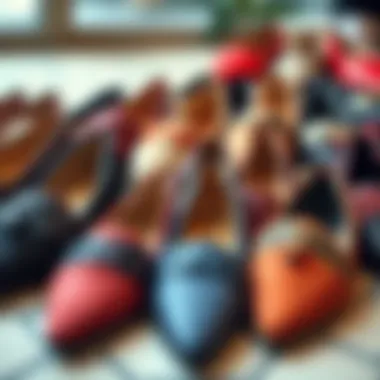
A standout feature of synthetic materials is their inherent resistance to various forms of damage, such as stains or mold, showcasing a practical side for those desiring low maintenance. Nonetheless, some critics argue that synthetic fibers lack the warmth and charm found in natural options, potentially diminishing the overall appeal of the craftsmanship embodied in those shoes.
This intricate dance between natural fibers and synthetic alternatives shapes the ethos surrounding woven pointed toe flats, providing wearers with choices that resonate with personal values and lifestyle requirements.
Design Variations in Woven Pointed Toe Flats
The world of woven pointed toe flats is rich with creativity and design. Each variation of these shoes brings something unique to the table, reflecting the wearer's personality and style. As more people turn to these versatile flats, understanding the various design elements becomes crucial for fashion enthusiasts, especially those looking to elevate their wardrobes.
Woven flats combine both aesthetics and functionality. They can range from minimalist styles suited for a casual day out to more ornate designs that can jazz up an evening attire. It's the attention to design that often makes these shoes appealing.
Color and Pattern Trends
When it comes to color and patterns, the options are nearly limitless. Woven pointed toe flats often feature a riot of colors and intricate patterns, making them essential pieces in one’s collection. Popular choices include vibrant hues like deep blues, rich reds, and muted earth tones. Patterns can range from simple geometric shapes to complex floral arrangements that speak to different cultural origins.
For instance, consider the intricate designs found in Mexican huaraches or the classic boho-style patterns often seen in Indian jutti shoes. These patterns not only serve an aesthetic purpose but also tell stories of their cultural significance. As trends evolve, we see a shift toward mixing and matching colors, with many brands offering customizable options where customers can choose their color and pattern combinations.
"Fashion is not just what you wear but also a reflection of your cultural identity and personal journey."
Sole Construction
The sole of woven flats is as critical as the upper design. Different sole constructions can enhance comfort and functionality. Some brands opt for traditional leather soles, known for their durability, while others embrace innovative materials such as rubber or jute for improved flexibility and grip.
The choice of the sole can dramatically affect the wearer's experience. A well-constructed sole not only provides comfort but also contributes to the overall aesthetic of the shoe. For example, flats with a chunky, durable sole might present a bolder look suitable for street style, whereas a sleek, thin sole may be more aligned with formal occasions. Also, various techniques used in sole construction—like the Goodyear welt or cementing—can indicate quality, so it’s worth exploring these options when shopping.
Customization Options
Customization in woven pointed toe flats allows for a personalized touch that can reflect individuality and style. Many brands now offer options to select from a variety of colors, patterns, and even materials. This flexibility not only caters to personal taste but also embraces the sentiment of sustainable fashion by supporting made-to-order practices.
Some popular custom features include:
- Material Choices: Options like canvas, leather, or eco-friendly fabrics can be available.
- Unique Patterns: Create a one-of-a-kind design that no one else has.
- Comfort Features: Personalized insoles or sizing alterations to ensure a perfect fit.
This shift toward customization illustrates the growing demand for unique fashion products and empowers consumers to be part of the design process. By embracing these variations and choices, one can curate a remarkable collection of woven pointed toe flats that not only serve as footwear but also as a medium for personal expression.
Overall, design variations in woven pointed toe flats encapsulate a blend of culture, style, and practicality, creating options that resonate with a diverse audience.
Cultural Significance and Global Influence
The world of woven pointed toe flats speaks volumes about cultural heritage and global fashion currents. By weaving together various local traditions and modern tastes, these shoes have become more than mere footwear; they embody stories, artistry, and even commerce. Understanding their cultural significance provides insights into how they seamlessly bridge diverse lifestyles while enhancing individual expression.
Regional Variations
Woven pointed toe flats can be found across the globe, each iteration reflecting the local culture and artisan technique. For instance, in Morocco, handwoven leather flats known as Babouches sport intricate designs that resonate with traditional Moroccan artistry. They’re often embellished with colorful threads that command attention.
In South America, especially in areas like Peru, people craft vibrant woven slippers called Alpargatas using local textiles with geometric patterns. Each pair tells a story, capturing the essence of the Andean culture where vibrant colors celebrate life's festivals.
On the contrary, in Asian regions, you may find juttis—traditional shoes that are often embellished with stunning embroidery and intricate details. These designs are not just visually appealing, but they also honor the artisan's skills passed down through generations. With each region adding its spin, the resulting diversity showcases how woven pointed toe flats evolve while staying true to their origins.
Influence on Local Fashion
The presence of woven pointed toe flats in various cultures significantly influences local fashion aesthetics. In many communities, these shoes assert an artisanal identity, showcasing pride in craftsmanship. Fashion-forward individuals often wear them intentionally, merging traditional designs with contemporary outfits.
For instance, the combination of Moroccan Babouches with casual denim and long skirts has emerged as a staple look among fashion-savvy young professionals. Similarly, the Peruvian Alpargatas are now seen paired with modern silhouettes, making them not just functional but also a canvas for personal style.
Moreover, social media platforms play an essential role in magnifying their allure. Influencers and fashion enthusiasts highlight these shoes in their daily ensembles, thus reinforcing their status as a must-have item while creating a global conversation about sustainability and cultural appreciation. As interest grows, local artisans often find their crafts gaining recognition beyond geographical borders, fostering both interest and commerce in their skilled labor.
Sustainability in Woven Footwear
In a world increasingly aware of environmental impact, sustainability in woven footwear stands as a pressing concern. As fashion evolves, so does the fabric of consumer conscience. More individuals are looking to make choices that are not only stylish but also eco-conscious. Woven pointed toe flats are at the intersection of comfort, style, and sustainability, making them an appealing choice for those wishing to embrace a greener lifestyle.
Woven footwear generally emphasizes the principles of durability and low environmental impact. Whether crafted from natural fibers or recycled materials, the appeal of such shoes is growing. They speak volumes about the awareness of ecological balance. But why does sustainable fashion matter? Let's unpack this further.
- Environmental Benefits: Choosing eco-friendly footwear minimizes the strain on the planet’s resources. It reduces waste, employs biodegradable materials, and often utilizes processes that save water.
- Health Advantages: Sustainable materials are typically free from harmful chemicals found in mass-produced footwear. This means healthier products for consumers and a reduced ecological footprint.
- Economic Impact: Supporting sustainable brands fosters local economies. Many small-scale producers using eco-friendly practices create job opportunities and keep traditional crafts alive.
Ultimately, when consumers opt for sustainability, they support a cycle of responsible production, leading to an improved future for fashion. Through every step and stitch, woven pointed toe flats embody this ethos, making them a primary focus in today’s fashion dialogues.
Eco-Friendly Materials
One of the standout features of woven pointed toe flats is the variety of eco-friendly materials used in their creation. Different materials have unique benefits and functions that cater well to the concept of sustainable fashion.
- Natural Fibers: Common choices include cotton, jute, and hemp. These materials are often grown without synthetic pesticides, offering an organic alternative to conventional textiles. For instance, hemp has a rapid growth cycle and requires less water compared to other plants.
- Recycled Fabrics: Some brands are utilizing materials made from recycled plastics. This approach not only helps in reducing plastic waste but also repurposes materials that would otherwise contribute to environmental degradation. It showcases innovation in the realm of fashion.
- Vegan Options: Beyond leather, there are now a myriad of synthetic materials such as microfiber that mimic leather while remaining cruelty-free. This is particularly appealing to consumers dedicated to animal welfare.
- Biodegradable Options: An emerging trend includes the use of biodegradable composites that ensure that once the footwear reaches the end of its life cycle, it does not contribute to landfill overflow.
Designing with these materials not only meets consumer demand for sustainability but also opens up avenues for creativity and innovation within the fashion industry.
Ethical Production Practices
Sustainability isn’t merely about the materials; the methods of production play a critical role as well. Ethical production practices are fundamental to the ethos of woven pointed toe flats. These practices guide brands in crafting quality products while ensuring fair treatment of workers and responsible sourcing of materials.
Key elements include:
- Fair Labor Practices: Many ethical brands are committed to ensuring that their workers are paid fair wages and work under safe conditions. This standard builds a trust bridge between the producer and the consumer.
- Local Production: By prioritizing local artisans and craftspeople, brands not only reduce transportation emissions but also support traditional techniques that are often handed down through generations. This contributes to the preservation of craft cultures worldwide.
- Transparency: Brands that openly share their production processes garner respect and loyalty from consumers who value honesty. When brands reveal their supply chains, it empowers consumers to make informed choices.
- Minimal Waste Approaches: Innovations like zero-waste patterns or the use of scraps to create new products demonstrate a commitment to waste reduction. This practice not only conserves materials but can also lead to unique and innovative designs.
These ethical practices in production pave the way for a more sustainable future in fashion. By championing these elements, woven pointed toe flats become not just a stylish accessory but a statement of conscious consumerism.
For further reading on sustainability in the fashion industry, you can check out resources from Wikipedia or organizations that advocate for ethical practices.
Styling Woven Pointed Toe Flats
Styling woven pointed toe flats is not just about footwear; it's about expressing one’s personality and aesthetic. This type of shoe carries with it an intricate dance of tradition and modernity, intertwining comfort with elegance. When done right, these shoes can elevate an outfit from ordinary to remarkable. While the design is paramount, how you pair them can make or break the ensemble.
The versatility offered by woven flats is astonishing. They can seamlessly transition from casual day settings to more formal office environments, and even into evening occasions with a bit of creativity. Understanding how to style them can unlock a wealth of sartorial opportunities for any fashion enthusiast.
Outfit Pairing Suggestions
Casual Day Outfits
For a casual day out, think of woven pointed toe flats as a breath of fresh air in your wardrobe. They work beautifully with relaxed pieces like jeans or flowy skirts. A classic pair of skinny jeans paired with a lightweight cotton shirt or a loose-fitting t-shirt creates a laid-back look that's effortlessly chic. The central appeal here lies in comfort without sacrificing style.
A unique feature of casual outfits featuring woven flats is their ability to blend comfort and flair. The texture of the woven flats adds an interesting visual element, contrasting nicely against smoother fabric. This combination not only looks good but also provides comfort when you’re on your feet all day. However, it's important to keep in mind that while these are sophisticated shoes, they might require the right fit to stay comfortable throughout a long day out.
Office Wear
Stepping into the office presents a fantastic opportunity to showcase woven pointed toe flats. They represent a balance between professional and personal style. Pairing them with tailored trousers or a pencil skirt, accompanied by a crisp button-up top, communicates confidence. The pointed toe shape elongates the leg, giving an elegant touch that traditional office shoes might lack.
The standout advantage of incorporating woven flats into office wear is their adaptability; they can be dressed up or down with just a change in accessories. However, it’s crucial to choose colors and patterns that align with the corporate dress code. Stick to more muted tones for a classic look or introduce subtle patterns to reflect your personality.
Evening Attire
Now, when it comes to evening attire, the possibilities truly expand. Woven pointed toe flats can add an unexpected yet sophisticated twist to evening gowns or cocktail dresses. Opt for deep shades or metallic trims to capture attention while maintaining an air of elegance.
A unique characteristic of this pairing is the comfort factor it brings. Unlike stilettos, which can be a source of discomfort, woven flats allow you to enjoy the evening without the worry of sore feet. Yet, one must be cautious of the overall aesthetic balance; ensure that the dress flows well with the flats to maintain a harmonious look.
Accessorizing for Balance
The secret to mastering the art of styling woven pointed toe flats lies in the accessories. Striking a balance within your outfit is key. Adding a statement necklace or a structured handbag can enhance the overall look significantly. Consider using colors or patterns that echo those of your flats, creating a cohesive appearance.
Remember, too many accessories can detract from the shoes themselves; subtlety often wins the day. A well-placed scarf or a classic watch can do wonders in completing the outfit, letting your woven flats take center stage.
Styling woven pointed toe flats isn’t just about having the right shoes; it’s about creating a reflection of yourself through the way you dress. With thoughtful consideration, these shoes can form the cornerstone of a well-curated wardrobe.
"Fashion is not just about what you wear, it's about how you wear it."
For more insights and tips on styling your outfit, consider checking out Vogue or The Fashion Spot.
Care and Maintenance of Woven Flats
Woven pointed toe flats are not just stylish—they are an investment in your wardrobe. To keep them looking fresh and prolong their lifespan, one must pay careful attention to their care and maintenance. Just like a good pair of jeans or a favorite leather jacket, these flats require some love and attention to maintain their shape, color, and overall form. Taking a few simple steps can keep your footwear looking sharp and ready for any occasion.
Cleaning Techniques
When it comes to cleaning woven pointed toe flats, gentle is the word of the day. Many of these shoes are made from delicate materials, and a harsh scrub or aggressive cleaning solution can do more harm than good. Here are some effective cleaning methods:
- Regular Dusting: Use a soft, dry cloth or a soft-bristled brush to dust off loose dirt and debris between wears. This ensures that dirt doesn’t settle into the fibers.
- Spot Cleaning: For minor stains, a simple mixture of mild soap and water can be effective. Dip a soft cloth into the solution, wring it out, and gently dab at the stain. Avoid soaking the material to prevent damage.
- Deep Cleaning: If your flats need a deeper clean, check the care label first. Some materials may allow machine washing, while others need hand washing. For those that can go in the wash, place them in a pillowcase to protect them and wash on a gentle cycle.
- Drying: Letting your shoes air dry is crucial. Avoid direct sunlight and heat sources that can warp the material. Simply place them in a ventilated area until they are completely dry.
Remember: Always read the care instructions provided by the manufacturer to avoid any mishaps in your cleaning process.
Storage Recommendations
Proper storage is just as vital as cleaning for the longevity of your woven flats. The way you store them can significantly affect their shape and appearance. Here are some helpful tips:
- Keep in a Cool, Dry Place: Avoid areas with high humidity or extreme temperatures, as this can cause the material to warp or mold.
- Use Dust Bags or Boxes: Storing your flats in dust bags or their original boxes can provide a protective barrier against dust and accidental damage. It keeps them in good shape and stays organized in your closet.
- Avoid Stacking: Don’t stack multiple pairs on top of each other. This can lead to creasing and distortion. Instead, store them side by side, so they maintain their shape and aren’t squished.
- Shoe Trees or Stuffing: For those who want extra precaution, consider using shoe trees or stuffing them with tissue paper. This helps maintain their pointed shape and keeps the structure intact.
Ensuring your woven pointed toe flats are consistently clean and stored properly might sound like a chore; however, it pays off in terms of both style and longevity. Ongoing care not only preserves their allure but also enhances your overall fashion statement.
Market Trends and Brands
The world of woven pointed toe flats has evolved tremendously in recent years, becoming a significant player in the global fashion marketplace. Understanding the market trends and branding strategies surrounding these shoes helps not only in making informed buying decisions but also in appreciating the artistry that goes into their creation. The demand for these versatile and stylish shoes is rising, owing to their -comfort, aesthetic quality, and the ongoing shift towards sustainability in fashion.
Emerging Designers
New talent often brings a fresh perspective, challenging the status quo while pushing the boundaries of design. Emerging designers play a vital role in revitalizing the marketplace for woven pointed toe flats. They frequently experiment with cuts, patterns, and materials that larger brands may hesitate to embrace.
For instance, a designer like Mara Hoffman focuses on eco-friendly materials while reimagining traditional designs to create unique expressions that resonate with today’s conscious consumers. This trend encourages a climate of innovation, with designers exploring local crafts and weaving techniques that highlight heritage artisan skills.
Emerging brands often utilize platforms like Instagram and Etsy to showcase their offerings, providing consumers easier access to unique, small-scale operations rather than mass-produced items. Additionally, concepts like customization gain traction, where designers offer personalized options tailored to a customer's style, thus fostering an emotional connection between the consumer and the product. This shift towards individuality reflects a growing demand for distinctive fashion statements that woven pointed toe flats can provide.
Popular Retailers
Retailers not only cater to the demands of the consumer market but also set trends through their choices in stocked brands and styles. Look no further than well-established names like Anthropologie and Free People, renowned for their eclectic selections of fashion-forward footwear, including woven flats that range from casual to chic. These retailers curate collections that not only reflect current styles but also anticipate consumer preferences.
Furthermore, online marketplaces such as Zappos and ASOS allow shoppers to discover a wide spectrum of styles and price points. This accessibility fosters a competitive environment, encouraging retailers to provide high-quality products to distinguish themselves from the competition.
In addition, the presence of larger retailers alongside niche markets leads to increased visibility for emerging designers, creating platforms for creativity like pop-up shops at local markets or collaborations with bigger brands. Such collaborations give small brands a chance to gain exposure while allowing mainstream retailers to present unique pieces to discerning shoppers.
As trends shift towards sustainability and individuality, the interplay between emerging designers and popular retailers becomes crucial in shaping the future landscape of woven pointed toe flats in fashion.
"The fashion industry is not just about wearing clothes; it is about the intersection of art, technology, and sustainability."
The End
As we wrap up our exploration into the world of woven pointed toe flats, it becomes clear that these elegant pieces are more than mere fashion statements. They carry a depth of history, craftsmanship, and cultural significance that resonate with diverse audiences. The ability to pair them with various outfits ensures that they can fit seamlessly into any wardrobe, making them a versatile addition to both casual and formal attire.
Future of Woven Pointed Toe Flats
The future of woven pointed toe flats appears bright, in a landscape where comfort meets style. As fashion continues to evolve, we can expect several trends to shape this category of footwear:
- Sustainability Focus: With eco-conscious choices at the forefront of consumer behavior, brands may increasingly adopt sustainable materials and ethical practices, thus enhancing the environmental profile of woven flats.
- Customization and Personalization: Customers desire individuality. Brands that offer customizing options, such as picking colors or patterns, have the potential to capture the attention of a market hungry for unique personal expression.
- Innovative Designs: Expect to see designs that marry traditional weaving techniques with contemporary aesthetics. This fusion can lead to unique styles that embrace both heritage and modernity.
- Tech Integration: With the rise of smart textiles, incorporating functionalities like breathability or moisture-wicking in flats may not be far off.