Wrought Iron Wall Hanging Planters: An In-Depth Exploration
Intro
Wrought iron wall hanging planters have stood the test of time, seamlessly marrying functionality with design. This guide will discuss the beauty and practicality these planters can bring to any space, whether it's a cozy apartment or an expansive garden. These unique pieces have not only decorative value but also an impressive historical background that speaks to their craftsmanship.
The charm of wrought iron lies in its versatility. From intricate scrollwork to minimalist designs, these planters come in various styles that cater to diverse tastes. Understanding both historical context and contemporary applications can help one appreciate how these planters can elevate your indoor and outdoor aesthetics. The focus here is on how to choose the right planter, the types of plants that thrive in them, and practical tips for maintenance.
The inclusion of wrought iron planters can transform spaces, creating a look that is both timeless and stylish, while also serving the needs of gardening enthusiasts. This guide aims to not only inform but also inspire, helping readers select pieces that resonate with their personal styles and the overall environment of their chosen spaces. Whether you're a seasoned gardener or someone just looking to add a touch of greenery to your life, understanding these planters is a step toward achieving your goals.
Preface to Wrought Iron Wall Hanging Planters
Wrought iron wall hanging planters offer a unique blend of elegance and practicality, making them a compelling choice for those looking to enhance their living spaces. These planters not only serve as a platform for greenery but also act as decorative elements that can elevate the aesthetic of any room or outdoor area. The significance of these planters extends beyond mere aesthetics; they are a testament to craftsmanship and can be a sustainable way to incorporate nature into urban environments.
Definition and Characteristics
Wrought iron is a type of iron that is worked into a shape through the application of heat and pressure, resulting in a material that is malleable yet durable. Wall hanging planters crafted from this material boast several recognized characteristics. They tend to feature intricate designs, showcasing skilled artistry that can transform even the most mundane walls into captivating displays. The durability of wrought iron means these planters can withstand various weather conditions, making them suitable for both indoor and outdoor placements.
Some key characteristics include:
- Versatility: Wrought iron planters are available in a myriad of designs, from classic to contemporary, ensuring they fit harmoniously with various decor styles.
- Durability: Unlike plastic or ceramic, wrought iron will not crack or fade, making it an ideal choice for longevity.
- Easy maintenance: With a little bit of care, these planters can remain in pristine condition for many years. Regular cleaning and occasional protective coatings can keep them looking new.
Historical Context
The use of wrought iron in decor finds its roots deep in history. Originating in ancient civilizations, iron was first utilized for practical purposes—tools, weapons, and later, in architectural elements. Over centuries, artisans began to explore its artistic potential; by the Middle Ages, wrought iron began to emerge as a material of choice for decorative arts. The beauty of handcrafted wrought iron became symbolic of status and sophistication.
During the Industrial Revolution, advancements in iron-working techniques made wrought iron more accessible. This led to an explosion of decorative uses, including the creation of wall planters. In Europe and America, wrought iron was skillfully interconnected with various architectural styles, from Baroque to Victorian, and later adapted to modern minimalism. Today, wrought iron planters carry this historical legacy, allowing homeowners to embrace a blend of tradition and contemporary design in their spaces.
"The skill and precision involved in wrought iron arts echoes the lost craftsmanship of bygone eras, yet it fits seamlessly into today's aesthetics."
Whether it’s an old-world charm or modern flair, wrought iron wall hanging planters are not merely vessels for plants; they are intricate art pieces that encapsulate a rich historical narrative.
The Aesthetic Appeal of Wrought Iron
When it comes to enhancing the visual charm of indoor and outdoor spaces, wrought iron wall hanging planters stand out as both functional and ornate choices. Beyond their practicality in plant display, these planters contribute significantly to the aesthetic landscape of a home or garden. With their ability to merge elegance and strength, wrought iron planters embody an artistic quality that can transform even the plainest wall into a captivating focal point.
Design Styles and Variations
Diving into the world of wrought iron planters reveals a delightful assortment of design styles that cater to various tastes. From intricate scrollwork that exudes vintage charm to sleek, minimalist designs fitting modern aesthetics, there’s something for everyone. For instance, consider a romantic Victorian style, often characterized by ornate patterns and delicate detailing. On the other end of the spectrum, industrial designs with clean lines might attract a contemporary crowd looking for a rugged appeal.
Here are a few notable styles:
- Rustic: Rough-edged finishes with a weathered look, perfect for a countryside aesthetic.
- Art Deco: Bold geometric motifs that add a touch of sophistication to urban spaces.
- Mediterranean: Curvy shapes with rich embellishments, ideal for a warm, inviting atmosphere.
These variations allow homeowners to express their unique taste, making them feel truly at home.
Color and Finish Options
Color and finish play a pivotal role in how wrought iron planters blend with their surroundings. Traditional black is a classic, offering a timeless look that pairs well with lush greenery. However, don’t shy away from exploring other tones like deep hues of blue, earthy terracotta, or even vibrant reds. A well-chosen color can amplify the personality of a space.
Moreover, finishes range from smooth, powder-coated surfaces to rustic, aged appearances. Here’s a quick overview of the most popular options:
- Powder Coated Finish: Durable and available in multiple colors; resistant to fading and chipping.
- Antique Finish: Provides a vintage allure, appealing for those desiring a historical vibe to their decor.
- Galvanized Finish: Offers a protective layer against rust and adds an industrial flair.
Choosing the right color and finish not only affects the planter's appearance but also its longevity and suitability for various environments. Therefore, considering how these planters interact with other design elements in your space is crucial for creating a harmonious setting.
"The beauty of wrought iron planters lies not only in their resilience but in their artistic potential to elevate spaces."
In summary, when selecting wrought iron wall hanging planters, the aesthetic considerations go beyond mere functionality. The design styles and finish options contribute significantly to the overall appeal, allowing individuals to craft beautiful, personalized spaces.
Functional Benefits of Wall Hanging Planters
Wrought iron wall hanging planters offer a myriad of functional benefits that should not be overlooked, especially for those keen on enhancing their living spaces while maintaining practicality. These planters serve not merely as decorative items; they play a vital role in optimizing space and elevating the overall air quality of both indoor and outdoor environments. Understanding these advantages can significantly influence your choice when purchasing wall hanging planters.
Space Optimization
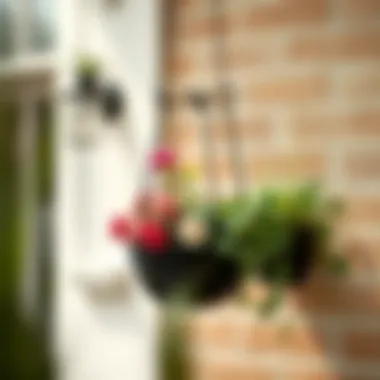
The ability to save space is one of the most significant advantages of wall hanging planters. These planters are perfect for urban dwellers who might be grappling with limited square footage. By utilizing vertical space, they allow for the cultivation of plants in a way that doesn’t encroach on valuable floor space. You can transform bland walls into green canvases, displaying various plants without cluttering your living area.
Consider these points when thinking about space optimization:
- Vertical Arrangement: Wall hanging planters enable vertically arranged displays, giving you the freedom to grow a variety of plants without needing a traditional garden bed or tabletop arrangement.
- Mobility: Unlike heavy garden pots, many wrought iron wall planters are lightweight, allowing for easy repositioning depending on sunlight exposure or seasonal changes.
- Multiple Plant Types: These planters can house various plant types, from flowering species to herbs, broadening your options while taking up minimal space.
"Utilizing wall planters is like having your cake and eating it too; you can enjoy greenery without sacrificing room."
Improved Indoor Air Quality
The impact of plants on indoor air quality is an established fact. Integrating wall hanging planters into your spaces can vastly improve the air you breathe. Plants inherently purify air by absorbing carbon dioxide and releasing oxygen, but certain varieties go a step further by filtering harmful toxins. For instance, plants such as snake plants or peace lilies thrive in wall planters and are known for their air-cleaning abilities.
Here are some notable benefits of enhanced indoor air quality through wall hanging planters:
- Reduced Pollutants: Plants can absorb harmful substances, such as formaldehyde and benzene, which are commonly found in household items like cleaners and furniture.
- Humidity Regulation: Indoor plants can help maintain moisture levels, creating a more comfortable living environment, especially in arid climates or during dry seasons.
- Mood Boost: Cleaner air contributes to improved mental well-being. Studies indicate that having greenery in your living space can enhance focus, reduce stress, and promote overall happiness.
Thus, the integration of wrought iron wall hanging planters into your decor isn’t just a stylistic choice—it’s a powerful means of fostering a healthier living space.
Choosing the Right Wall Hanging Planter
Selecting the appropriate wall hanging planter can be crucial, as it impacts both the aesthetic and functional qualities of your space. The right choice can transform an ordinary wall into a vibrant display of greenery that can serve as a focal point or blend seamlessly with your décor. It's not just about slapping plants against the wall; it's about understanding the nuances of size, plant compatibility, location, and material quality.
Factors to Consider
Size and Scale
The size and scale of your wall hanging planter play an essential role in the overall appearance and usability of your space. You wouldn’t want a tiny planter to get lost on an expansive wall, nor a massive one that makes the area feel cramped. A well-sized planter balances the visual weight, drawing the eye without overwhelming the surrounding elements.
One key characteristic to keep in mind is proportions. Larger planters can house more expressive plants, creating a bolder statement. However, they may demand more maintenance due to their size. A unique feature of wall hanging planters is that they often come in various modular designs, allowing one to mix and match sizes to create an engaging display.
When carefully considered, size can significantly enhance the practical aspects of gardening as well. If you’re toying with the idea of vertical gardening, ensuring proper spacing with appropriately scaled planters is vital for the health of your plants. This thoughtful approach can lead to greater success, and a feast for the eyes.
Plant Types Compatible
Not every plant thrives in a hanging planter. The compatibility of plant types determines the success of your vertical garden. For instance, ferns and succulents are often favored for their low maintenance needs, while flowering plants bring an extra pop of color over the seasons.
One major benefit is that you can select plants based on growth habits. Choosing trailing varieties like string of pearls can create an elegant cascading effect, which is something that draws in attention. However, the wrong choice can lead to a plant that struggles or fails to thrive in an unsuitable setting.
Compatibility also relates to light needs; certain plants soak up sunlight like a sponge, while others prefer shady corners. Hence, understanding plant requirements becomes a necessary step in your decision-making process, ensuring healthy growth and an aesthetically pleasing design.
Location and Environment
When it comes to hanging planters, location can make or break your plant's survival. Your choice should weigh heavily on where you plan to mount the planter. For instance, if the wall is exposed to harsh sunlight, it limits the types of plants you can use. On the flip side, poorly lit areas may require hardier, shade-loving plants.
Another vital aspect of environment is humidity and temperature. For instance, a warm kitchen can support herbs, but a cold garage may not be suitable for anything but low-maintenance varieties. The location contributes to the overall health and aesthetic appeal of your display.
Keep in mind that wall mounted planters should not become an afterthought; rather, they need careful planning and consideration to thrive within their dedicated spots. Ultimately, these choices can greatly enhance both your space and gardening experience.
Material Quality and Durability
Material quality stands at the core of any wall hanging planter discussions. Wrought iron planters bring in durability and strength, making them a favored option. They can withstand varying weather conditions if placed outdoors, ensuring longevity. Still, ensuring they are coated to prevent rust can be essential, particularly in moist environments.
Over the years, this sturdy material has gained a reputation, pairing functionality with style. It's important to consider how your planter integrates with both plant care and environmental harmony. Investing in durable materials proves beneficial in the long run, allowing you to cultivate your green sanctuary with peace of mind.
Installation Tips for Wall Hanging Planters
Installing wall hanging planters made of wrought iron is not just about aesthetics; it’s a pivotal element contributing to the functionality and longevity of your plant displays. The right installation approach can make all the difference in ensuring that your plants flourish while enhancing your space's visual appeal. Choosing the proper tools, understanding the installation process, and ensuring safety are three key aspects that form the backbone of an effective setup.
Tools Required
Before diving into the installation, having the right tools on hand is crucial. Proper equipment not only streamlines the process but also increases the likelihood of a successful setup. Here’s a list of tools you might need for the job:
- Drill: A power drill will help in creating holes for mounting brackets.
- Screws: Use sturdy screws that can handle the weight of both the planter and the soil.
- Wall Anchors: Essential for ensuring stability, especially on drywall.
- Measuring Tape: To ensure accuracy in placement.
- Level: To make sure your planter hangs straight.
- Safety Goggles: Protect your eyes during drilling.
Step-by-Step Installation Process
When it comes to installation, following a clear, concise process ensures that everything comes together beautifully.
Selecting the Right Location
Choosing the ideal location for your wall hanging planters is a crucial step. It affects not just the aesthetic appeal but also the health of your plants. Firstly, consider the sunlight availability. Most plants thrive with ample light, so placing your planter where it can soak up natural light is key.
Additionally, think about how the area looks. You probably want your wall planters to enhance your existing decor, thus the wall’s color and texture should be complementary.
"Proper placement can transform not just your plants, but the whole room's feel!"
A unique characteristic of this consideration is the balance between providing sufficient light and avoiding drafty areas. For example, a wall near a window may be a perfect spot, if it gets morning sunlight without direct exposure to harsh afternoon heat. Weighing the advantages, such as aesthetic enhancement and the appropriate microclimate for your plants, versus disadvantages like potential overheating or cold drafts, is vital in this decision-making process.
Ensuring Stability and Safety
Safety cannot be overstated. Your wall hanging planter should be secure to prevent accidents or damage. When mounting, you must ensure the brackets are installed into studs or that sturdy wall anchors are used. This is particularly important if you're using heavier planters.
When discussing stability, consider using a level to place the planter correctly. It may seem a small detail, but a planter that hangs askew not only looks unappealing but can also lead to water pooling on one side, damaging your plants.
Moreover, always double-check your work before setting the planters in place. Ensure the brackets are tight and securely fastened to mitigate any risks.
In summary, the installation process isn't just about putting things up. It's about laying the groundwork for stunning greenery that brings life into your living spaces while keeping safety and structural integrity at the forefront.
Maintaining Wrought Iron Wall Hanging Planters
To truly appreciate and extend the lifespan of wrought iron wall hanging planters, onemust understand the significance of their maintenance. Neglecting proper care may lead to tarnished surfaces, weakened structures, and ultimately, a reduced functionality of these beautiful garden accents. Regular upkeep preserves not only the aesthetic charm but ensures that these planters continue to thrive as homes for your plants. Moreover, a well-maintained planter acts as an inviting focal point in any space, drawing admiration and serving its purpose seamlessly.
Cleaning and Care Guidelines
When it comes to cleaning wrought iron wall hanging planters, a little goes a long way. It's essential to keep them free of dirt and debris, which can accumulate due to the outdoor elements or indoor dust.
- Schedule Regular Cleanings: Aim for at least a bi-monthly cleaning schedule. During these sessions, it’s best to use a soft cloth or sponge along with a mild soap solution. Harsh chemicals can be detrimental, stripping the planter’s finish.
- Remove Remnants: Take out any dead leaves, soil debris, or stagnant water, as these can harbor pests or foster mold growth.
- Scrub Gently: For stubborn stains or rust spots, a soft-bristle brush may be helpful. Just remember, you want to avoid scouring the metal, as this can scratch and compromise the finish.
- Rinse Thoroughly: After cleaning, rinse with water to remove any soap residue, which if left behind, might affect the soil and plants.
- Dry Completely: Wipe dry with a clean cloth as moisture can lead to rusting over time.
"A little prevention goes a long way when it comes to preserving the beauty of wrought iron."
In addition to regular cleaning, it’s wise to apply a protective finish, especially on outdoor planters, to ward off moisture and prevent corrosion.
Seasonal Maintenance Tips
As the seasons cycle, so do the maintenance needs for your wrought iron wall hanging planters. Each season brings its own challenges, and being proactive can save time and trouble.
- Spring: Check for any signs of winter damage before putting your plants back. Clean the planters thoroughly and inspect for rust. It’s the perfect time to apply a rust-inhibiting primer if needed.
- Summer: With the heat, plants may require more frequent watering. Ensure that the planter drainage holes aren’t blocked. Position them where they can receive rain and be mindful of the added weight from the moisture.
- Autumn: As leaves fall, debris can clog the planters. Regularly remove fallen leaves and any loose soil that might wash down. If frost is common in your area, consider bringing more tender plants indoors to prevent damage.
- Winter: In areas that experience freezing temperatures, it may be wise to store planters in a sheltered space, if feasible. Without soil and plants, they can dry out and be less susceptible to moisture damage or cracking from frost.
By adhering to these guidelines and being mindful of the changing seasons, you can significantly prolong the life and beauty of your wrought iron wall hanging planters. This, in turn, enhances the charm of your space, allowing both you and your plants to flourish.
Innovative Uses for Wall Hanging Planters
The versatility of wall hanging planters made from wrought iron is boundless. They serve a dual purpose: not only do they provide a home for beautiful plants, but they also add a unique design element to any space. Understanding the innovative ways these planters can be utilized enhances their value, making them more than just storage for foliage. Whether adorning indoor walls or brightening up outdoor spaces, the practical applications of these planters encourage creativity and resourcefulness in gardening.
Vertical Gardening Concepts
As urban living spaces shrink, the need for innovative gardening solutions has never been more pressing. Vertical gardening is where wall hanging planters come into play. It’s a fantastic way to maximize limited space while still enjoying the benefits of gardening. Think of it as gardening on an upward scale. These planters can be mounted on walls, creating a striking view that attracts attention and provides a lush ambiance, even in tight quarters.
A few practical considerations come into play here:
- Size and Scale: Evaluate the available wall area before selecting your planters. A large wall can accommodate several planters in various arrangements, whereas a smaller space might call for just one or two.
- Sunlight Accessibility: Different plants have varying light requirements. Ensure that the plants chosen for vertical gardens are compatible with the sunlight available in their designated areas.
- Watering Needs: Consider a drip irrigation system or self-watering planters. In vertical gardens, managing moisture can become tricky, and a simple setup can save both time and effort.
The aesthetic impact of a vertical garden can transform a bland wall into a vibrant masterpiece. Consider incorporating herbs in the kitchen or cascading flowers in the living room.
Combining Wall Art with Planting
Wall hanging planters offer an exciting opportunity to blend art and nature in a way that captivates the senses. Imagine walking into a room where vibrant greens are artfully displayed across metal frameworks, merging the beauty of plant life with creative design. This dual-purpose approach can enhance both private and public spaces.
Here are some ways to creatively combine aesthetics and foliage:
- Artistic Arrangements: Use diverse planter shapes—think geometric designs or flowing curves—to create a dynamic visual. Mixing different plants with various colors and textures can further enhance this artistic effect.
- Thematic Displays: Consider theming planter arrangements around seasons or specific colors. For instance, a spring theme could feature pastel flowers and verdant plants, bringing life and energy into a stale environment.
- Utilizing Wall Space Efficiently: Wall hangings can stand alongside traditional wall art, serving as functional pieces that breathe life into your home while complementing your decor style.
Incorporating planters into your design doesn’t just serve an aesthetic purpose— it also promotes the idea of increasing green space in urban settings.
"Combining art with nature not only enhances visual appeal but also fosters wellness and tranquility."
By embracing innovation in planter use, wall hanging planters serve as a testament to both functionality and creativity. They are clear indicators that good design isn't solely about appearance; it's about integrating elements that serve various needs in an aesthetically pleasing manner. This makes them a worthy consideration in any environment—be it indoors, balconies, or public spaces.
Wrought Iron Planters in Sustainable Gardening
Wrought iron wall hanging planters are not just a charming addition to your decor; they also serve as a significant component in the larger context of sustainable gardening. Integrating sustainability into our daily lives is becoming increasingly crucial, and incorporating wrought iron planters reflects a commitment to eco-friendliness while also enhancing one's living space. These planters stand out, not solely for their resilience and visual appeal, but also for their contribution to environmentally conscious practices. However, understanding their role in sustainability demands a nuanced exploration of what makes wrought iron an admirable choice for gardeners today.
Eco-Friendly Materials and Practices
The materials used in wrought iron planters make them a formidable choice for sustainable gardening. Wrought iron is known for its durability and longevity; thus, it doesn't need replacing often, reducing waste over time. When one considers how many plastic planters end up in landfills, the benefits of choosing wrought iron become stark.
- Recyclability: At the end of their life, wrought iron can be completely recycled without losing any of its inherent qualities. This factor boasts a significant environmental advantage.
- Longevity: These planters can withstand various weather conditions, eliminating the need for frequent replacements, which is common with cheaper materials.
- Low Maintenance: Wrought iron requires minimal upkeep compared to wood or plastic, making it easier to maintain its functionality and appearance long-term.
Not to mention, many manufacturers are moving toward eco-friendly production methods, utilizing sustainable energy sources to forge these unique items. Ignoring such innovations would be a missed opportunity for those looking to create an environmentally responsible garden.
Benefits for the Environment
Choosing wrought iron wall hanging planters also provides a plethora of benefits for the environment, going beyond just their materials. Here are some notable advantages:
- Promotes Biodiversity: Vertical gardening with these planters allows for a variety of plants to thrive in smaller spaces, thus promoting biodiversity at home.
- Carbon Sequestration: By incorporating plants in your living area, you contribute to carbon sequestration; plants absorb CO2 and release oxygen, improving air quality.
- Water Management: Wrought iron planters often come with built-in drainage systems, helping to manage water more efficiently and reducing waste.
- Aesthetic Value: Their distinctive designs encourage people to embrace gardening, potentially inspiring them to grow their own herbs and vegetables, which can be a more sustainable alternative to supermarket buying.
In short, wrought iron planters are more than just attractive garden accessories. They play a vital role in sustainable gardening efforts. When they are utilized effectively, these planters can significantly reduce environmental impact, enhance biodiversity, and even contribute to healthier indoor air. When combined with plants that are suited for your environment, they create a stunning visual impact while supporting eco-friendly practices.
Inspirational Design Ideas
When it comes to enhancing the aesthetics of your living space, wrought iron wall hanging planters play an essential role. They don’t just serve as functional gardening tools; they also elevate the interior and exterior appeal, casting an enchanting ambiance that’s hard to ignore. This section explores how you can incorporate these planters into your environments—think of them as artistic statements that also happen to carry lush greenery.
Balcony and Patio Decor
Balconies and patios are special nooks where we often find solace amidst nature and the hustle of city life. Wrought iron wall hanging planters can amplify these spaces beautifully. Imagine a cozy balcony adorned with cascading flowers spilling down from an ornate wrought iron fixture. It's not just about plants; it’s about creating a sanctuary.
Here are a few things to consider:
- Container Arrangements: Grouping various planters together can create an eye-catching display. Consider mixing different sizes and shapes to add visual interest, while ensuring that the plants complement each other in color and texture.
- Seasonal Flowers: Using seasonal plants can keep the décor fresh throughout the year. From bright summer petunias to autumn’s rich chrysanthemums, the choices are endless.
- Themed Designs: Play around with themes that resonate with your style. For instance, Mediterranean-inspired planters with terracotta pots or rustic farm styles with abundant greens can transport you to a different environment.
Placement is key, too. Mounting planters on available wall space or railings can free up valuable floor area, giving the feeling of an airy environment. Remember, the goal is to merge function with style, so your space remains a feast for the eyes and a haven for plants.
Indoor Spaces and Home Accents
Indoor areas can also benefit vastly from the charm brought by wrought iron wall hanging planters. Whether it’s a modern apartment or a traditional home, these planters can introduce an element of elegance while also arranging your favorite plants in a visually appealing manner. Plus, they improve indoor air quality, reminding you of the nature outside, even when you’re indoors.
Here are a few considerations:
- Highlighting Focal Points: Use planters to draw attention to specific areas. A sleek planter above a sofa can act as a conversation piece or a focal point in your living room, while a cascading arrangement in a hallway can add intrigue.
- Mixing Materials: Wrought iron can beautifully contrast with softer textures. Pairing iron planters with creamy walls or soft fabric drapes can create a balance that’s visually comforting.
- Layering Plants: Using various heights of plants can add depth to your indoors. Tall, slender plants at the top and trailing vines below can create a sense of layered lushness.
Plants like pothos or succulents can thrive in these settings, requiring minimal maintenance, which is a boon for busy lifestyles.
"The fusion of design and functionality is where the true beauty lies in using wrought iron wall hanging planters."
Overall, integrating wrought iron wall hanging planters into your balcony, patio, or indoor spaces is about embracing a lifestyle that appreciates both art and nature. With thoughtful planning and a pinch of creativity, your surroundings can reflect your personality and aesthetic preferences while being environmentally conscious.
Ending
In wrapping up our exploration of wrought iron wall hanging planters, it’s crucial to reflect on several key elements that make these pieces not just ornamental, but an integral part of modern gardening and home aesthetics. The importance of melding functionality with design cannot be overstressed; these planters are not only a statement of style but also serve practical purposes such as improving air quality and optimizing space.
Summary of Insights
Throughout this guide, we’ve delved into the rich history of wrought iron, tracing its evolution into a favored material in contemporary gardens. We examined how various design styles offer something for every taste—from rustic charm to sleek modernity. The discussion on installation and maintenance underscored the commitment one must have in caring for living plants while ensuring their planters remain in prime condition. Moreover, the innovative uses highlighted outdoor spaces' transformations and potential in vertical gardening, appealing to urban dwellers who might grapple with limited outdoor spaces.
"By blending aesthetics with purpose, wrought iron wall hanging planters elevate our gardening experiences, encouraging a deeper connection with nature."
Final Thoughts on Adopting Wrought Iron Planters
Choosing to incorporate wrought iron wall hanging planters into your living space can be a savvy decision for many reasons. Not only do they add textured elegance, but they also provide opportunities for creative expression in decor. When selecting an ideal planter, consider the plants that thrive best in your environment, the location of your installation, and, most importantly, the statement you wish to make.
These planters are more than just holders for plants; they represent a fusion of art and nature, enriching lives with greenery while enhancing the look of walls, balconies, and patios. Those who embrace this concept often find themselves coming home to a serene and inviting space, the benefits extending beyond aesthetics to emotional well-being.
As you consider adding these distinctive items to your surroundings, remember that your selections should not just be fashionable, but also reflective of your personal style and commitment to sustainability. This is not merely about beautifying a spot on the wall; it’s about cultivating a lush environment that resonates with both the heart and the mind.